For at least a few months every year, many Calgary families turn to their air conditioning systems to maintain comfort levels in the home.
Around 32% to 35% of Calgary homes now have air conditioning, up nearly 70% from a decade ago.
Over many years, an AC unit’s performance naturally degrades. Even a well-maintained air conditioning system can:
The time will inevitably come to upgrade, but how do you know when to replace the AC and when to repair it? What are the signs it’s time to replace your AC?
This article covers the main signs you need to be aware of, from weird sounds and smells to frequent repair bills and the wrong type of refrigerant.
MAKE THE RIGHT HEATING & COOLING DECISIONS…
For over two decades, Alberta Mountain Air has helped Calgarians solve heating and cooling problems and maintain ideal comfort levels. Get in touch online for a quote.
When to Replace AC: 8 Signs to Look Out For
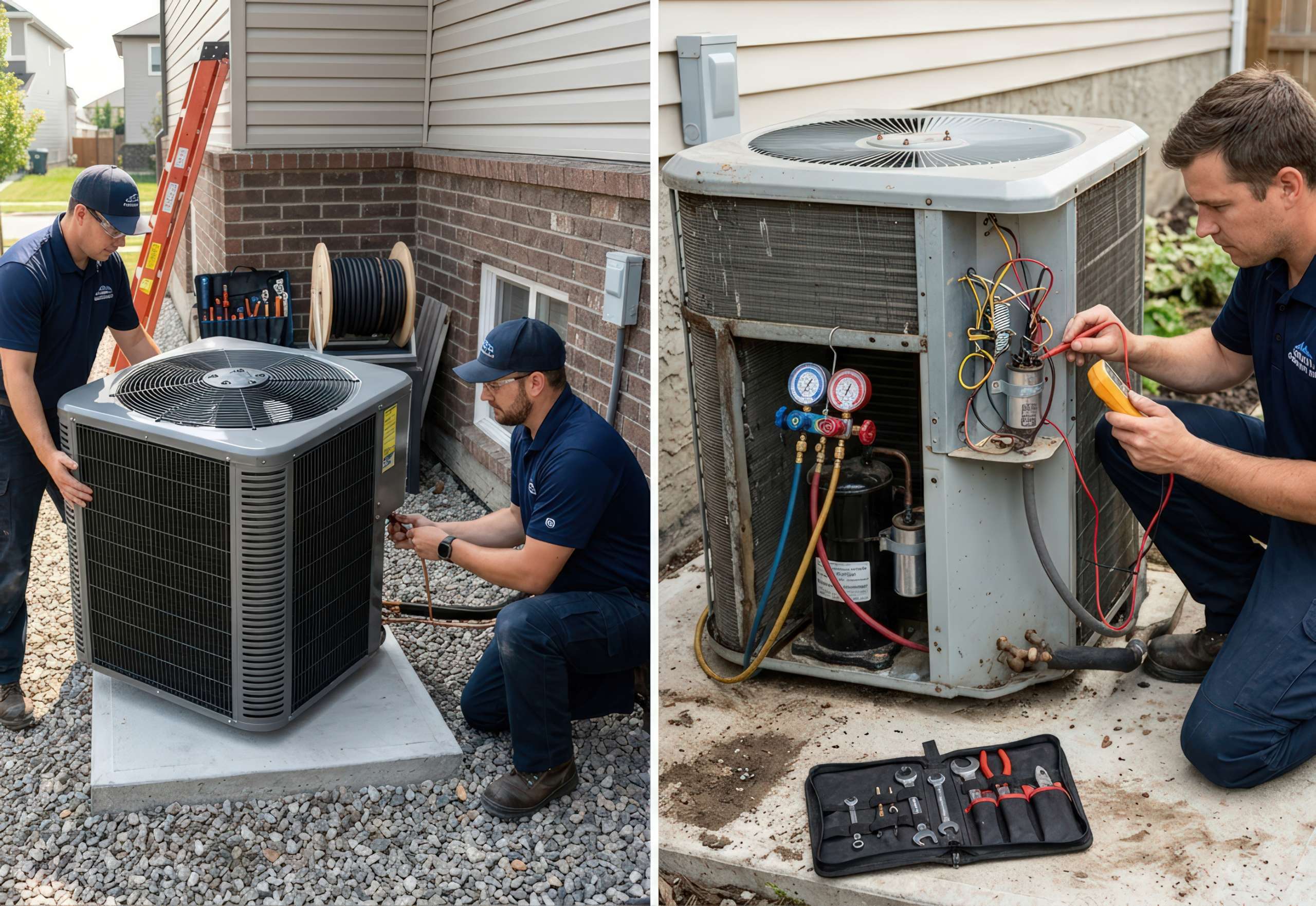
Frequent inspections of HVAC equipment can help save expensive repair bills, but they can also help you identify when equipment needs upgrading.
The following are surefire signs that it’s time to replace your AC unit:
1. Your AC System is 10-15 Years Old
Age isn’t everything with AC units; usage counts too. In hot, humid climates, the extra usage can shave years off an AC unit’s life.
In Calgary, however, where homes generally only use AC from April to September (and even then, only occasionally), the stress on air conditioners is much lower. This tends to extend the life of AC units. Many air conditioners can last 15-20 years.
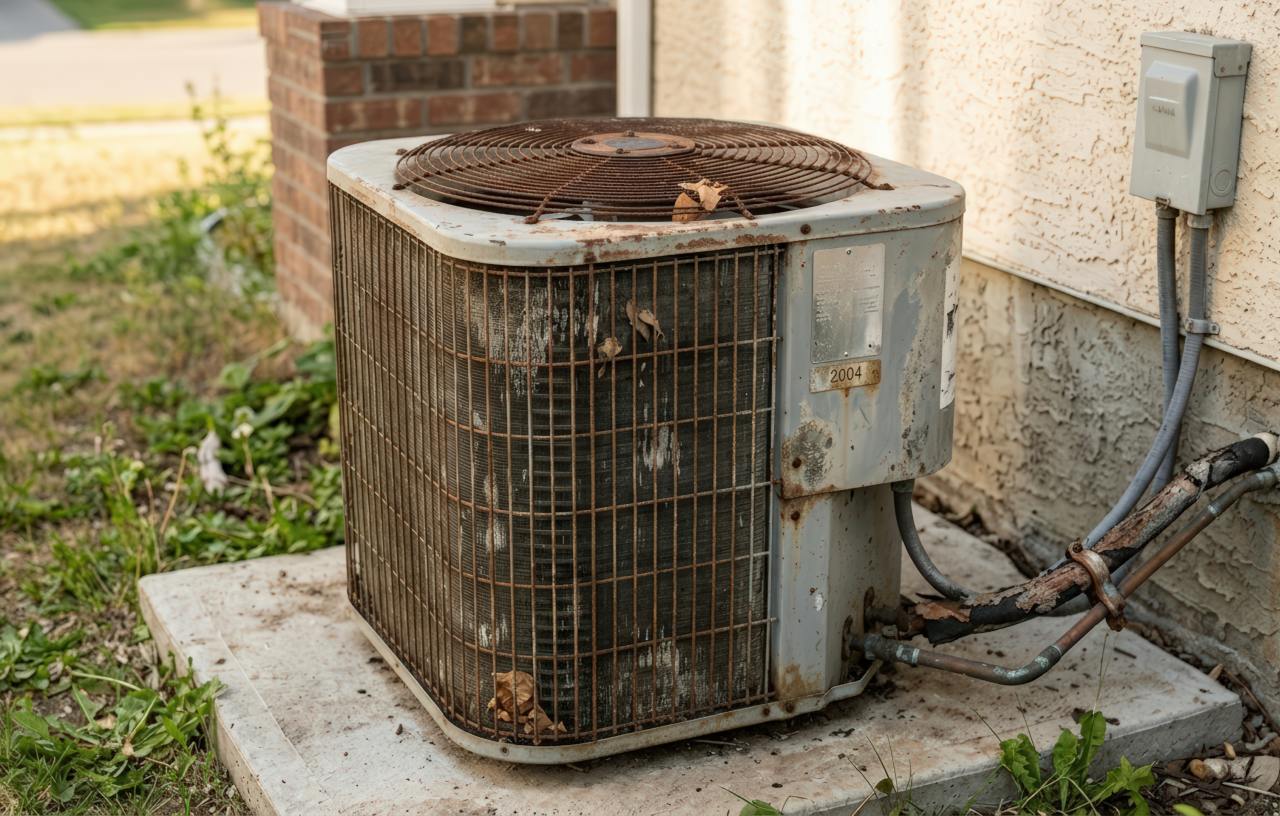
However, if you’re experiencing regular AC issues and your unit is over 10 years old and costing a lot in AC repairs, it’s generally time to replace it.
2. Your Utility Bills Have Skyrocketed
Unexplained rises in utility costs should always be investigated. Few Calgary homeowners can afford to throw extra money at their utility bills without a good reason.
You’ll need to distinguish between:

By itself, high utility bills may not be reason enough to upgrade your unit, but if your air conditioner is also old and repair bills are mounting up, it’s likely time to replace your AC unit.
3. Repair Costs are Over Half the Replacement Cost
Say a new AC will cost you $5,000 while repairs to an existing 10-year-old unit will be $3,000. It makes sense to replace the AC unit rather than repair it.
Generally, if AC repair costs will exceed 50% of the costs of a new AC unit, it’s worth considering whether to replace your unit.
By investing a little extra in a new AC unit, you can benefit from the extra efficiency of upgrading to a modern two-stage or variable-speed air conditioner.
4. Repairs Are Required Multiple Times Per Year
If you’re forking out for repairs every year for the past few years or even multiple times per year, it’s time to cut your losses and replace your AC unit.
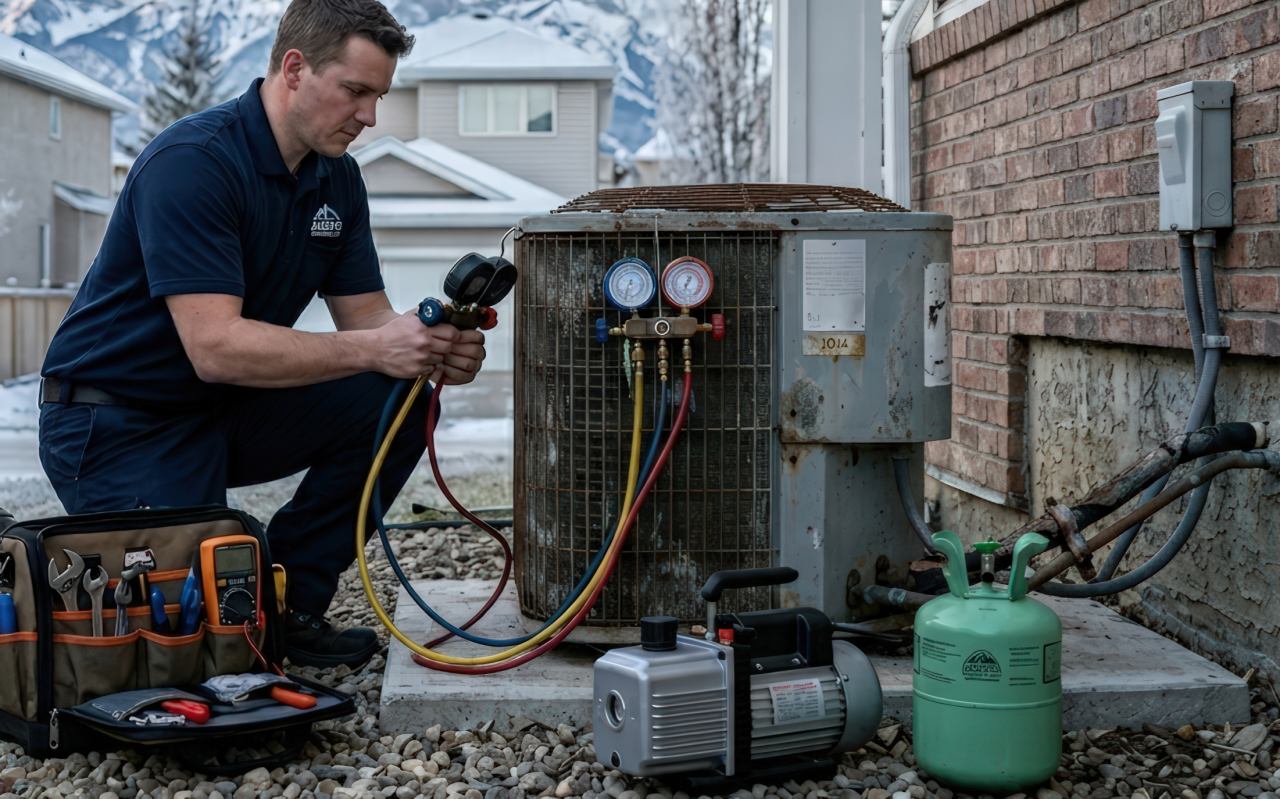
If repairs seem almost non-stop, it’s likely your unit is either old, faulty, or incorrectly sized. Either way, if it’s long out of warranty, it’s time to consider an upgrade that will repay the new investment every year with lower electric and AC repair bills.
5. Moisture Buildup or Humidity Problems in the Home
In Calgary homes, dry air is usually more of a problem than humid air.
Running the air conditioning can compound a dry air problem, as the evaporator coil in AC units removes moist, warm indoor air during the standard cooling process.
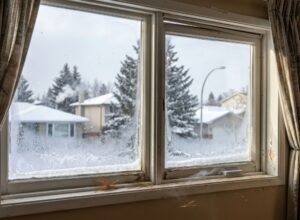
So, if you’re experiencing moisture buildup inside the unit, indoor humidity problems, fogged windows, and/or mildew or mold growth inside your unit, something’s definitely wrong.
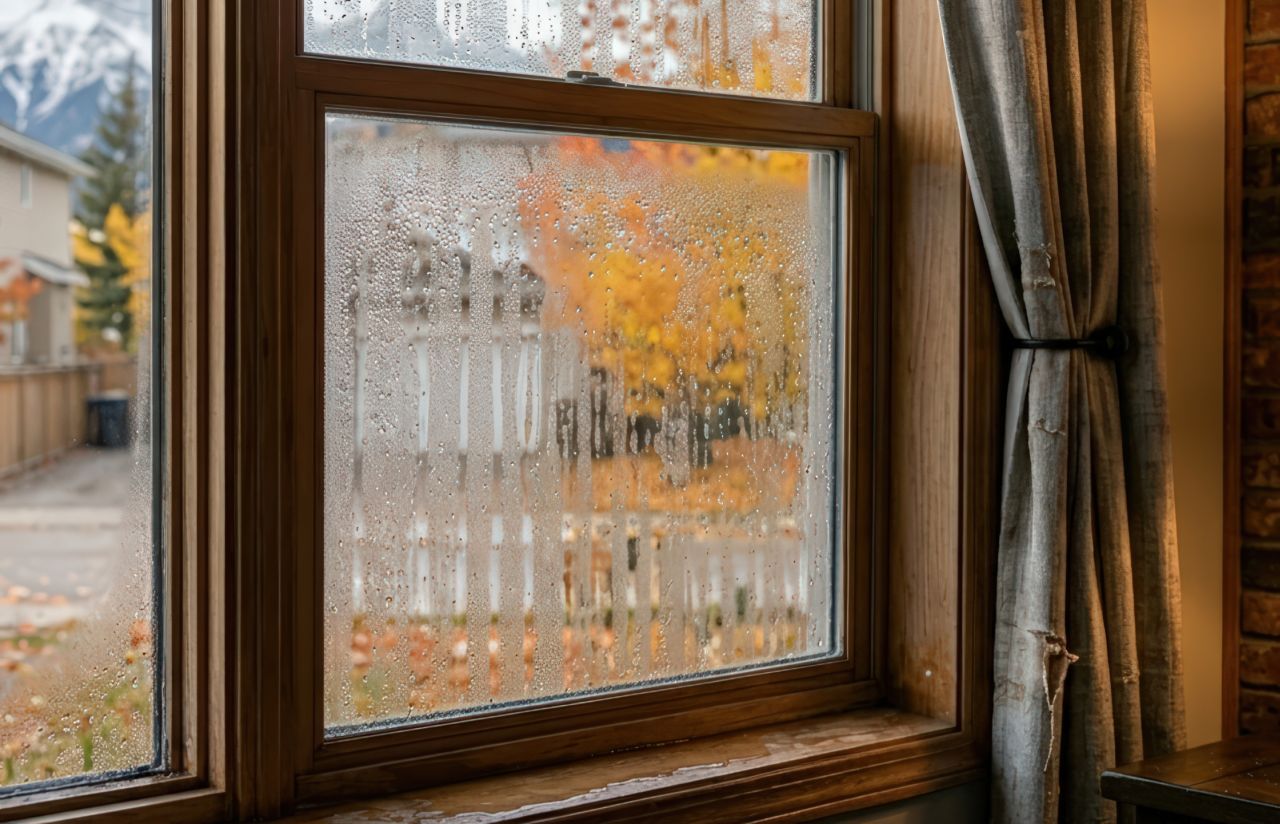
If more than an odd drop of water is leaking out of a unit, you might have a problem with the evaporator coil. The fix may be relatively simple, like coil cleaning during an AC tune-up, or something more complex.
You should replace an aging, inefficient system if the repair bills are going to be high.
6. Your Home Isn’t Getting Cold Enough
If your AC is blowing warm air or the home is not getting cooled enough, it could be due to many things.
However, if expensive AC repairs are likely involved, due to a broken compressor or refrigerant issues, it may be best to replace an aging unit rather than “throwing good money after bad”.
You’ll need a professional AC assessment from one of our HVAC pros, so that we can advise you whether to repair or replace your AC.
7. Loud Noises or Strange Odours Coming From the Unit
Loud noises and strange odours are two obvious signs that something’s wrong with your AC unit. Air conditioning should hum along and not emit much of a smell at all.
Strange sounds (like bangs, loud clangs, or whistling) or smells (like musty smells or burning) don’t necessarily mean you need to replace the unit, but the issue should be investigated by an HVAC pro.
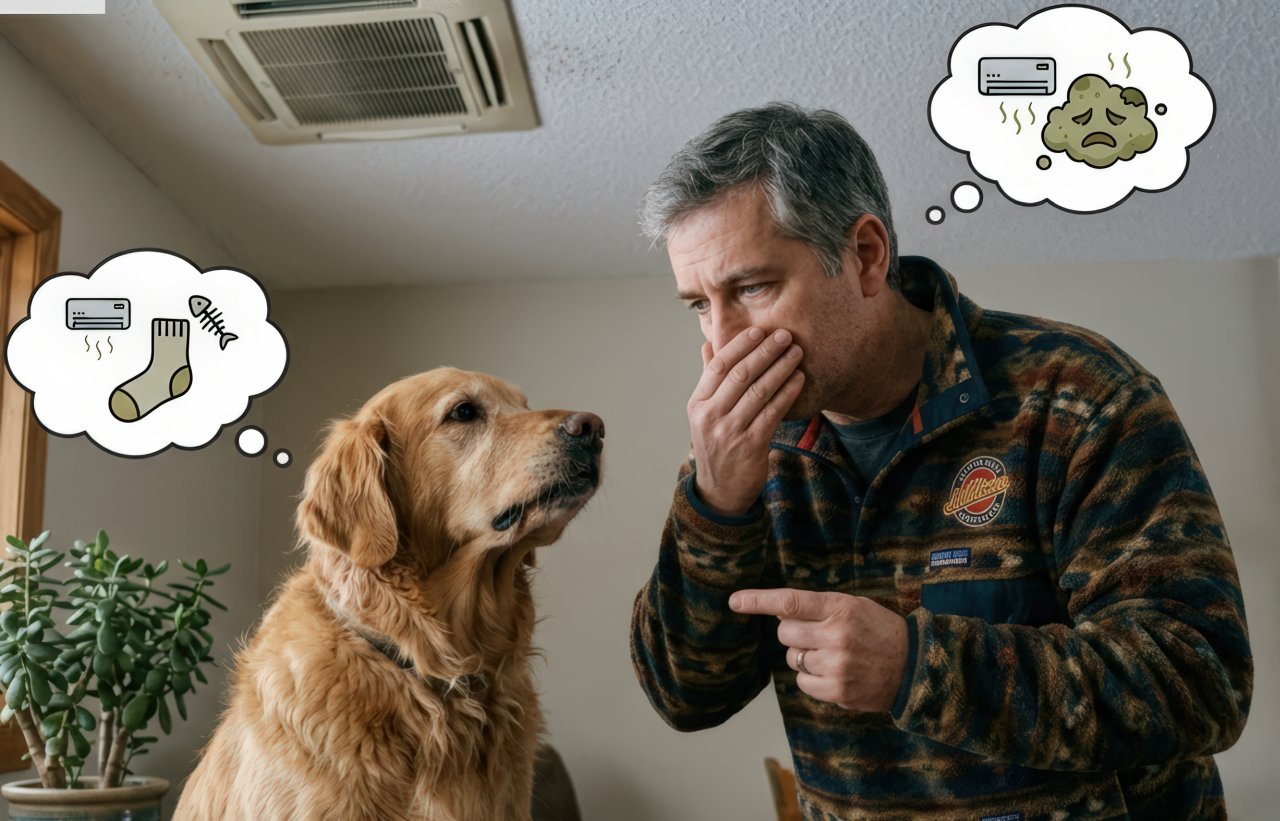
The strange sounds or smells could have a simple explanation. Our pros will provide an honest opinion about the problem and the fix, whether that’s AC repairs or replacement.
8. Your AC Still Uses R-22 Refrigerant
AC systems use refrigerant gas to cool the air inside a home. R-22 refrigerant (Freon) was the recommended refrigerant before 2010. Due to environmental concerns, it was phased out across North America.
Even the main replacement, R-410A, which became the industry standard, is now being phased out.
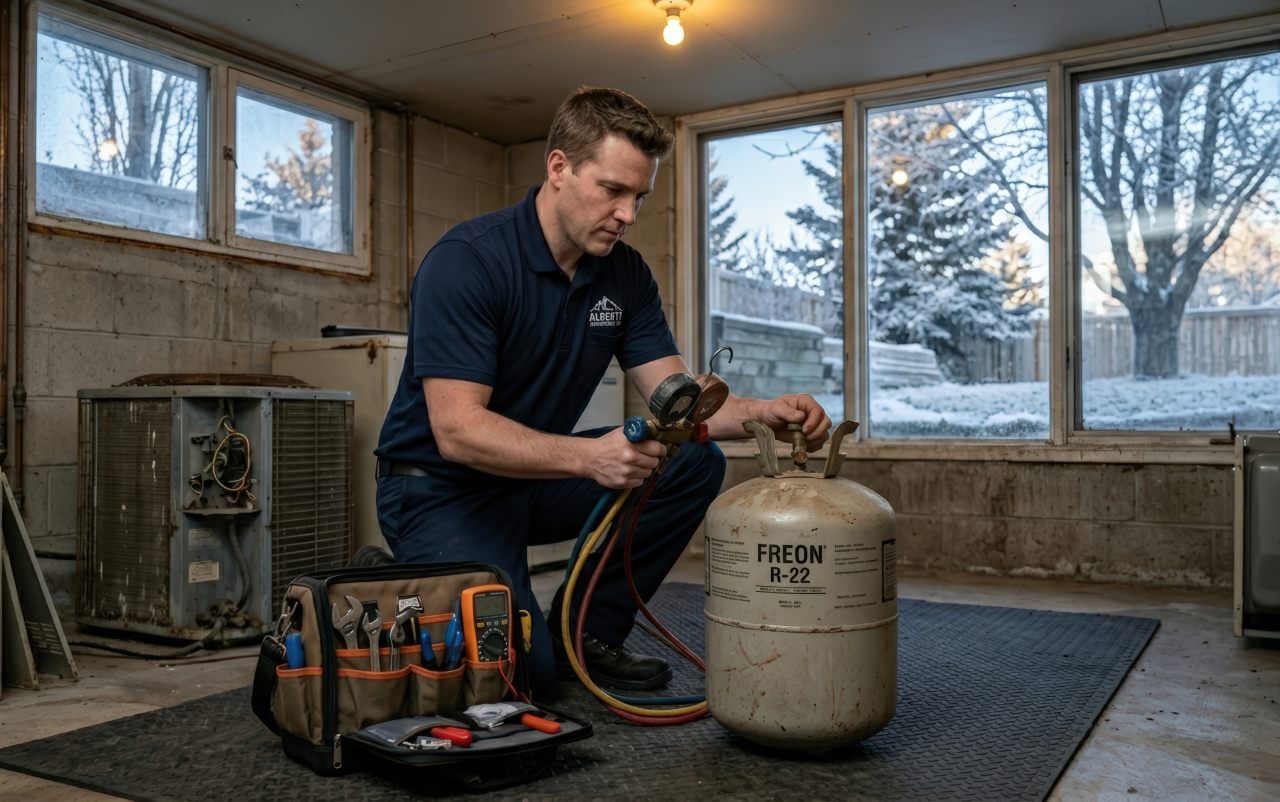
For an AC unit that uses recommended refrigerants in 2026, you may need to replace your outdated air conditioner. Ask suppliers for “A2L compliant” models, which use refrigerants like R-454B and R-32, with a much lower Global Warming Potential (GWP). These are the new Canadian standard.
FAQs
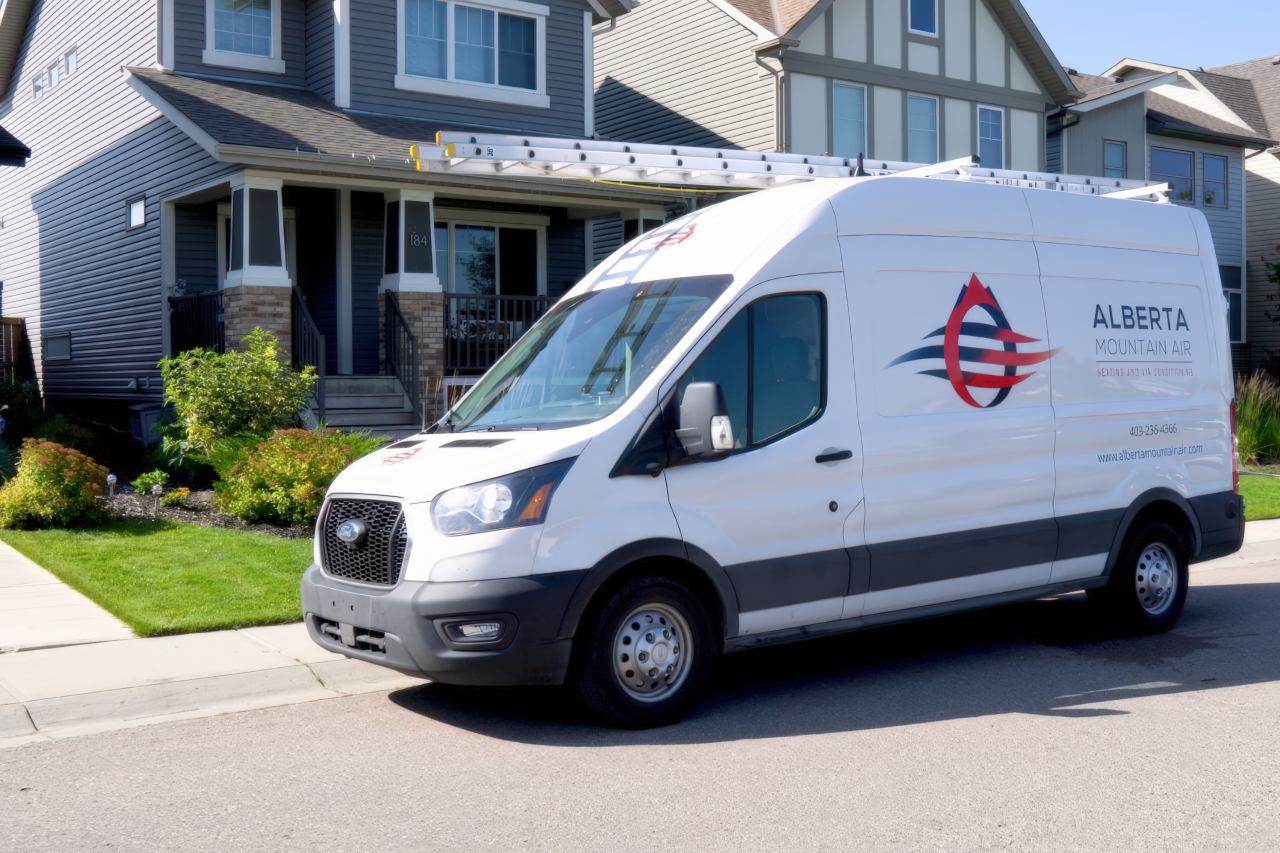
Repair or replace your AC unit? Find out today…
Don’t ignore AC problems, as the condition of the unit can deteriorate until repairs are no longer cost-effective and the unit needs replacement.
Not sure if it’s best to repair or replace your AC unit?
The team of SAIT-certified HVAC professionals at Alberta Mountain Air has been helping Calgary homeowners make the right heating, cooling, and indoor air quality decisions for over two decades. If you’re considering your AC options, contact us online.