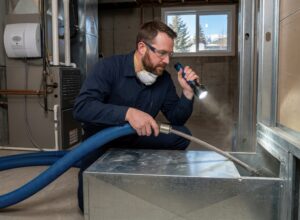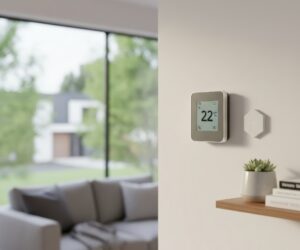
If your air conditioning was on the blink during the summer, it might be time to consider a timely upgrade rather than risking spending more money on AC repairs next summer.
Before taking the plunge and buying a new unit, you’ll probably want to know how long an air conditioner should last in Alberta. We’re not known for our heavy use of air conditioning, so the average lifespan of an AC unit is a healthy 15-18 years here.
However, multiple factors affect longevity—from the size, brand, and installation to maintenance levels and more. A new AC in Calgary costs between $4,500 and $6,500, on average, so it pays to do your homework.
Here, we’ll help you assess whether replacing your AC is more cost-efficient than repairs and identify the typical signs that you need an AC replacement. We also pass on tips to help your AC last the distance…
How Long Should an AC Unit Last?
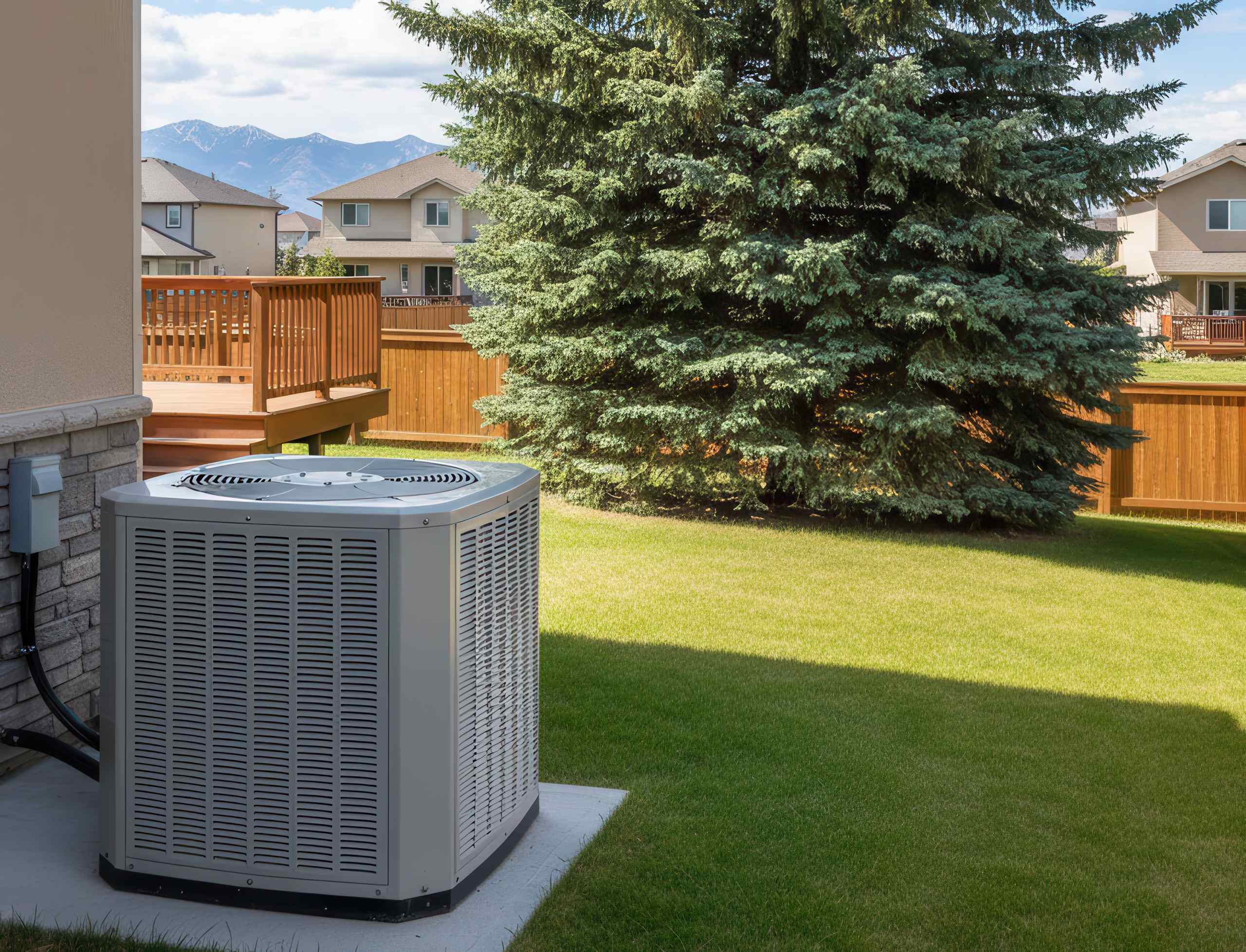
In Alberta, most modern central air conditioning units last between 15 and 18 years when they’re properly sized and professionally serviced at least once a year. Because Calgary homeowners typically use their AC for only a few months each summer, the reduced runtime often helps extend the overall lifespan of the system—especially with regular maintenance.
Let’s look deeper into this…
MAKE THE RIGHT HEATING & COOLING DECISIONS…
For over two decades, Alberta Mountain Air has helped Calgarians solve heating and cooling problems and maintain ideal comfort levels. Get in touch online for a quote.
What Factors Affect AC Lifespan in Calgary?
Two air conditioners bought at the same time, installed in the same city, and run for approximately the same amount of time can vary in their longevity.
Calgary gets hot in summer. Our climate’s wide temperature swings and seasonal stresses like intense heatwaves, hailstorms that damage outdoor units, excessive dryness/humidity, or smoke from summer wildfires can cause extra wear and tear on parts and damage indoor air quality if the AC is not maintained well.
Here are the other main factors that will affect how long an AC unit lasts in your home…
Sizing and Installation
When you select and install your central AC unit, do your homework and seek assistance from HVAC professionals.
Check the size of the air conditioner you need and, if possible, have an HVAC contractor perform a load calculation of your home’s cooling needs. This will help you choose a unit of the correct BTU size.
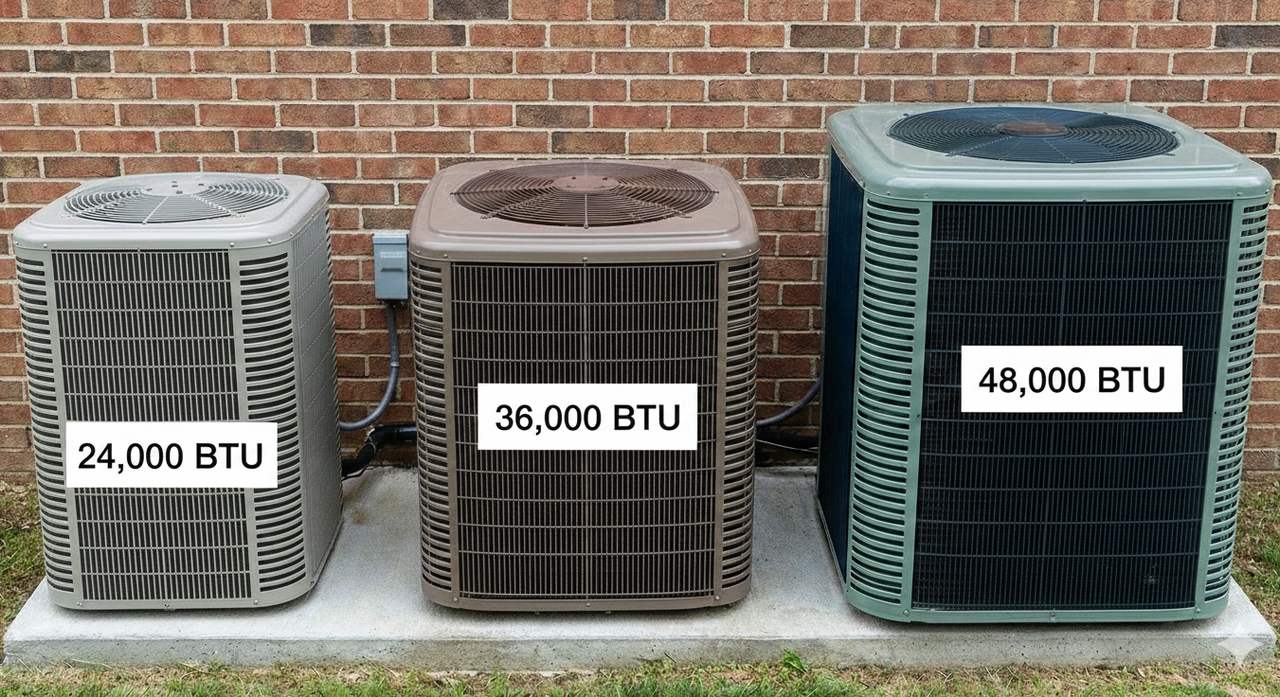
Too large a unit and your air conditioner will start short cycling, putting extra wear and tear on parts and raising bills; too small a unit will result in inadequate cooling and an overworked system. So, correct AC sizing protects the efficiency and lifespan of your AC.
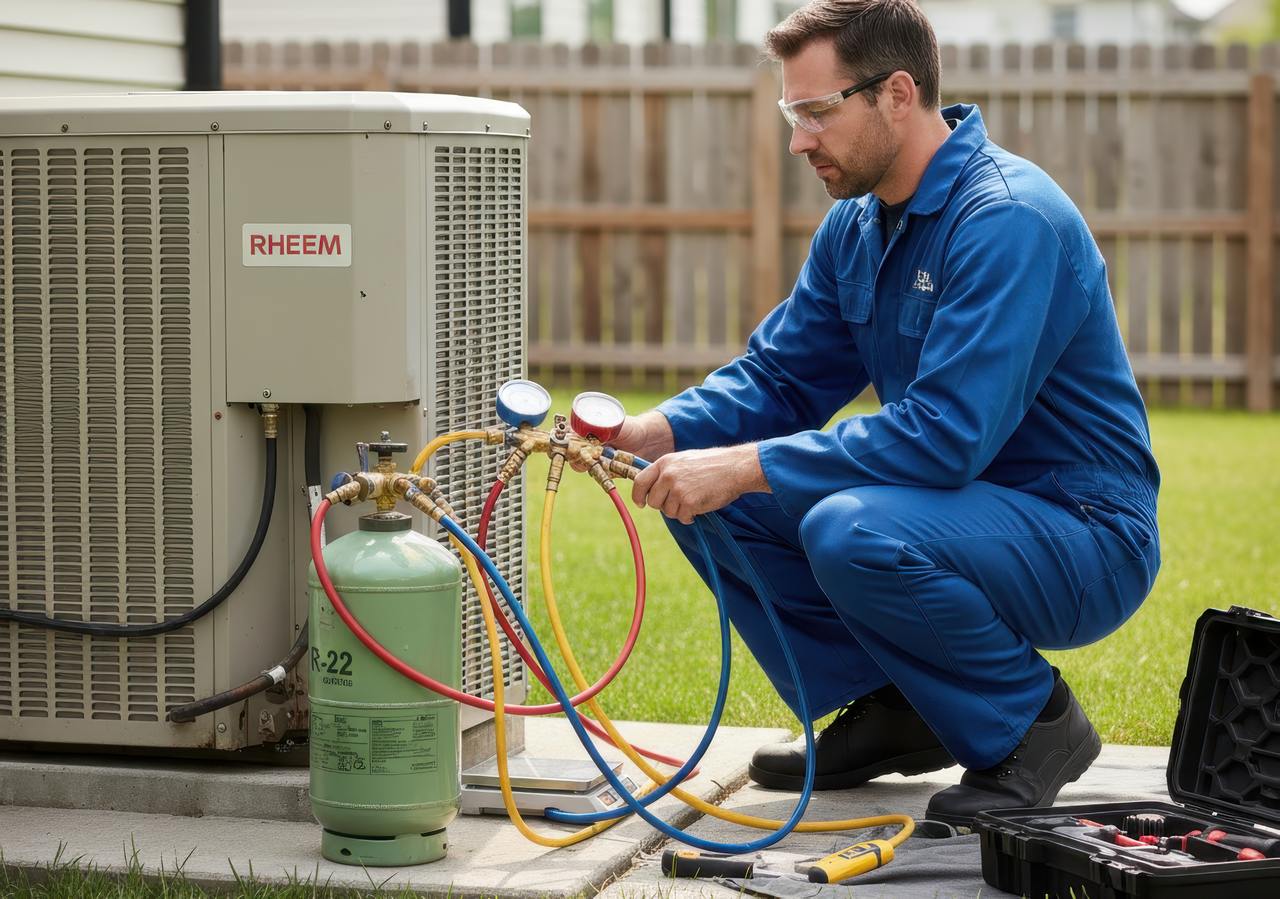
During installation, poorly routed refrigerant lines, improper charge levels, or a lack of suitable ventilation can reduce the unit’s lifespan by several years. Ensure that AC installation is performed by certified Calgary HVAC technicians, like those at Alberta Mountain Air.
AC Maintenance Practices
Annual AC tune-ups are essential if you want to preserve your air conditioner. A professional service—ideally in the fall or spring—will comprehensively check your AC for issues, clean it, calibrate it, check refrigerant levels, and lubricate all moving parts. This can catch many problems early and extend the life of the AC unit.
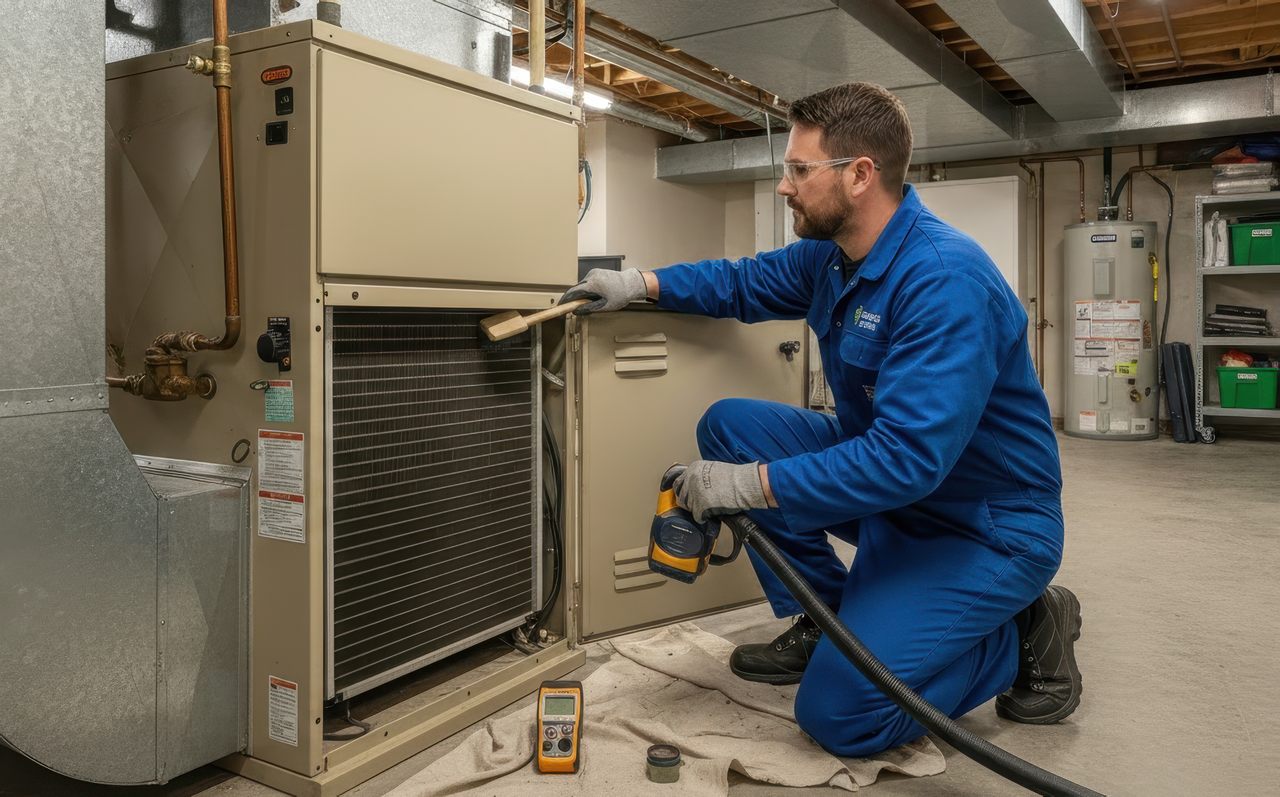
In addition to annual maintenance, homeowners should take a few basic steps to preserve the condition of the AC throughout the year. Change the HVAC filter as regularly during summer as you would during winter for your gas furnace—ideally every 1-2 months. Also, keep the area around the outdoor AC unit clear of debris and vegetation (more about this below).
Household Usage Patterns
How long you run the air conditioning affects its lifespan. Heavy use of AC in the summer over many years may affect the unit’s condition, including faster wear on compressors, capacitors, and fan motors.
However, the air conditioner’s workload depends on more than simply the weather and the household’s cooling needs, with factors like home insulation quality, zoning systems, and smart thermostats potentially impacting how hard the unit must work.

Equipment Quality, Type, and Brand
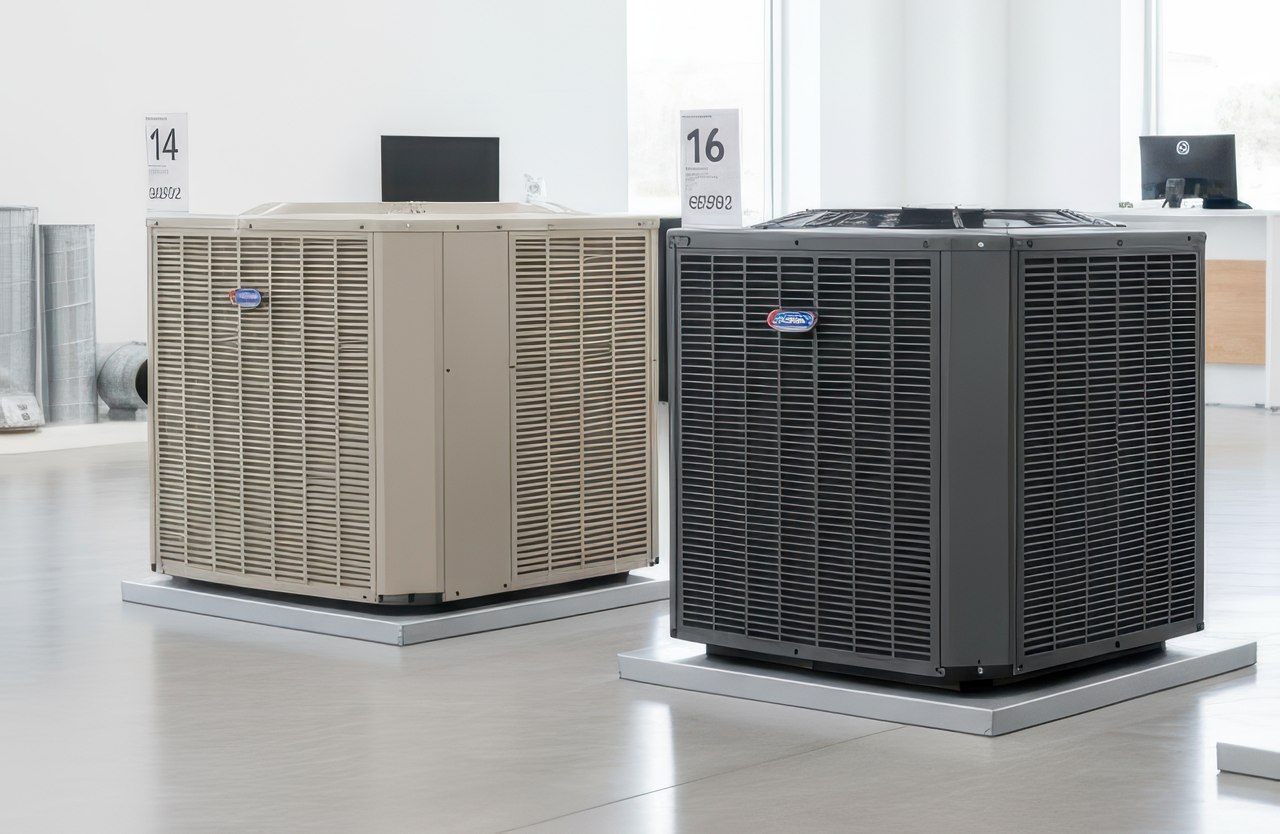
The type, quality, and brand of an AC unit can also influence its lifespan. When comparing air conditioners, homeowners can choose between standard-efficiency models, mid-range options, and premium, high-efficiency units designed for better performance and comfort.
However, it’s important to note that high-efficiency air conditioners don’t automatically last longer than standard models—overall lifespan depends far more on proper sizing, professional installation, regular maintenance, and day-to-day usage patterns.
5 Signs Your Air Conditioner May Be Near the End of Its Life
If you’re wondering how long an air conditioner lasts, you’ve likely either just bought a new unit or are considering replacing an old air conditioner.
Before forking out on a new unit, it helps to know the main warning signs that your existing air conditioner is approaching the end of its life. Is your AC showing any of these five signs?
- Unexplained rising monthly energy bills: This is a sure sign that one of the main “energy guzzlers” in your home in summer (the AC) is struggling.
- Frequent repairs or breakdowns: If you call your HVAC company for AC repairs every month or two, it may pay to upgrade your unit.
- Inconsistent cooling or humidity control: If your home isn’t cooling properly or feels too humid in summer, an aging AC unit may be on its last legs.
- Strange noises or smells coming from the unit: These don’t necessarily mean that your unit is about to die—but you will need to thoroughly troubleshoot your AC to identify the problem.
- Your 12-15-year-old unit is playing up: If your unit is over a decade old, it’s time to start considering whether to replace it when major repairs are needed.
How to Extend the Life of Your AC Unit
No air conditioner will last forever but attention to a few simple tips can help prolong its life—and save you from having to replace it too soon. Here’s how to extend the life of your AC unit…
Choose a High-Quality, Correctly Sized AC Unit
First things first: choose an AC unit from a reliable brand and make sure that it is sized correctly, after having a professional assess your home’s precise cooling needs.
Annual Professional Maintenance
No surprises here. If you book at least an annual air conditioner tune-up, it will last longer—guaranteed! A pro will clean and lubricate the key components, inspect refrigerant lines and electrical work, and catch any issues early before they damage the AC unit.
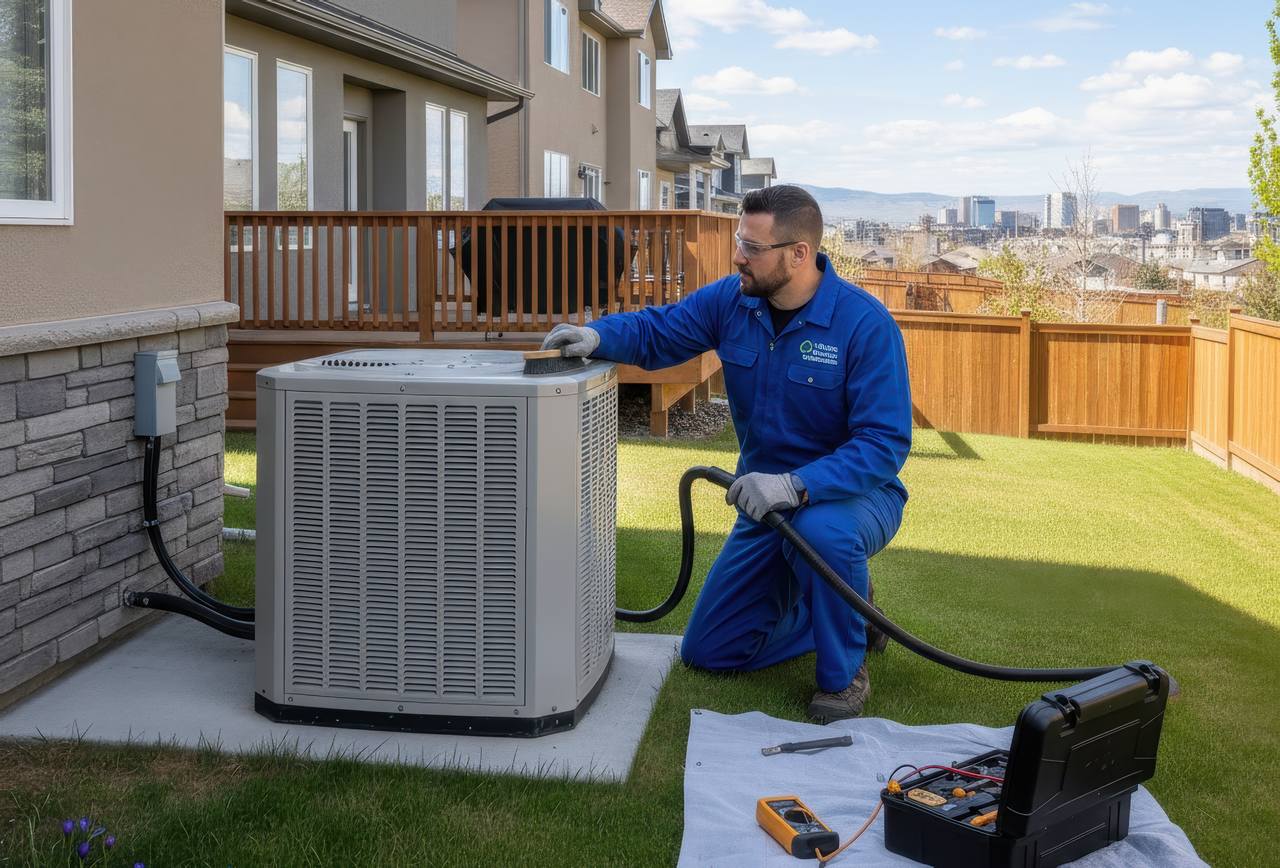
Heat pumps should be serviced twice a year, as they provide critical year-round heating and cooling for homes. Early-spring and fall tune-ups are often recommended for HVAC equipment in Calgary.
Homeowner DIY Protection for AC Units
Ideally, replace HVAC filters every 1-2 months throughout the year, so that summer cooling and winter heating are not impacted by restricted airflow and indoor air quality doesn’t suffer.
Another way to ensure that airflow is maintained inside the home is to check ductwork for obstructions or leaks (seal leaks with duct tape), and check that vents or registers are not blocked by furniture, boxes, curtains, etc.
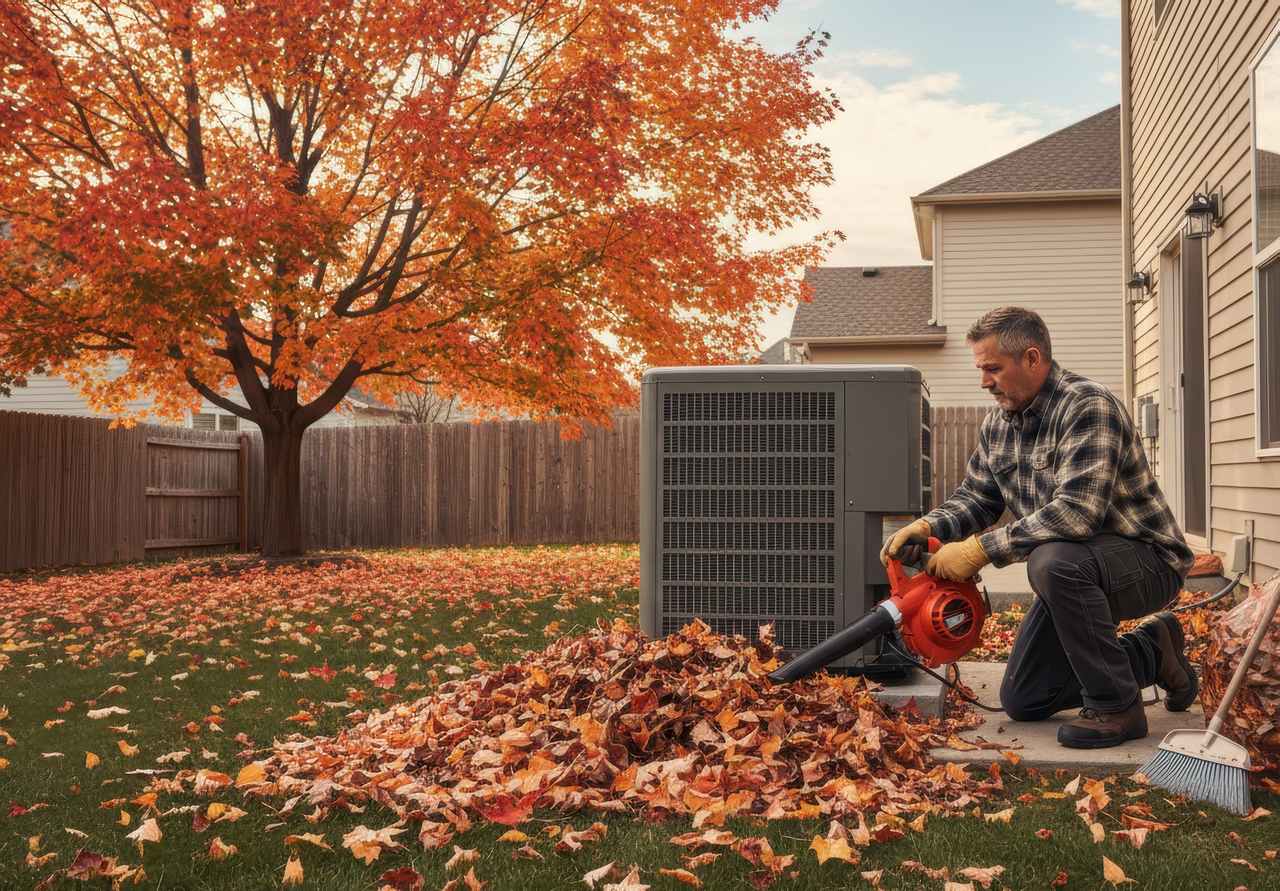
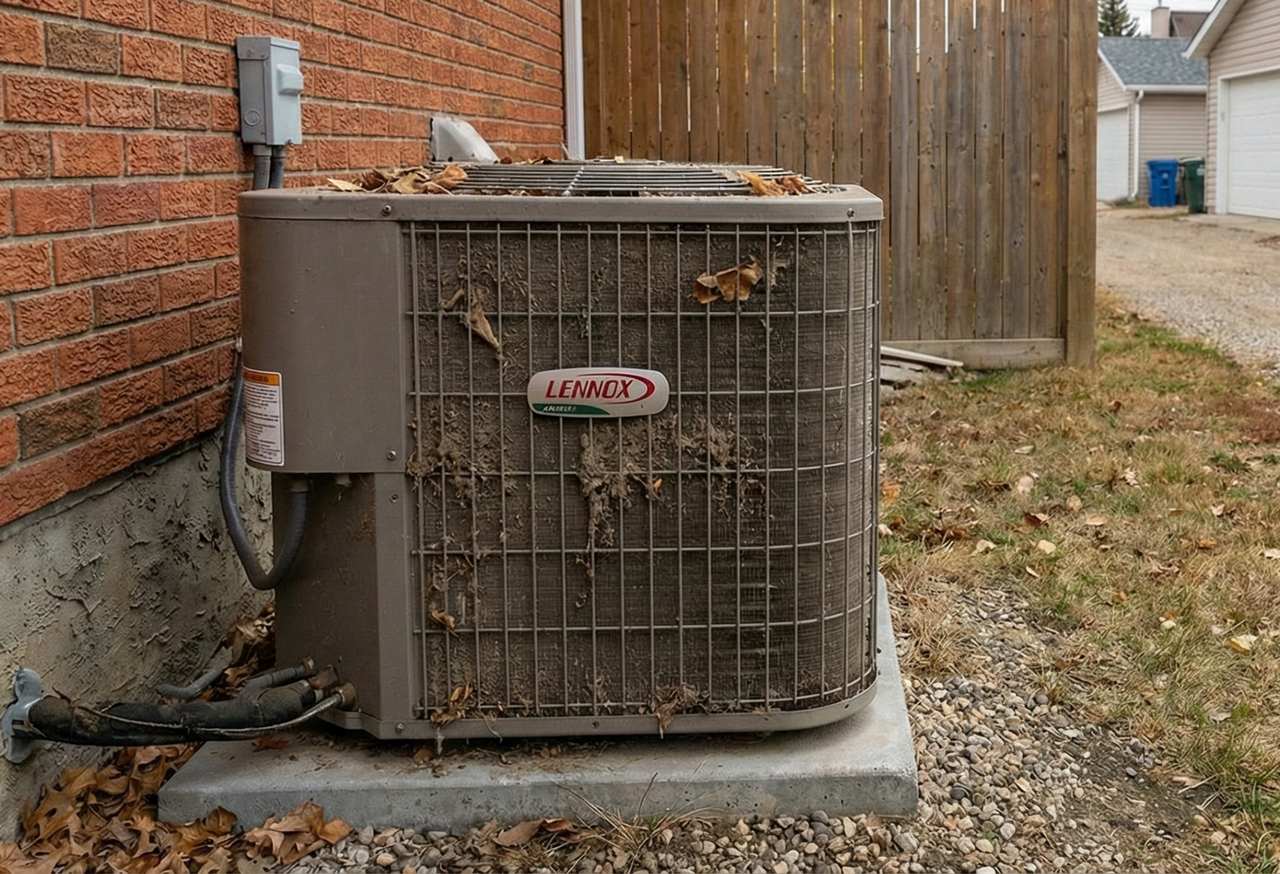
Clear debris, branches, grass clippings, leaves, dust, and other external nuisances around the outdoor condenser unit, as this can interfere with the proper functioning of air conditioners. Anything that could impact airflow should be removed. Also, clean the outside AC unit using a garden hose from time to time.
Upgrade Thermostats and Improve Insulation
A longer-term solution to extend the life of your AC unit is to upgrade thermostats and improve your home’s insulation. Both actions reduce how hard the system has to work.
A smart or programmable thermostat prevents unnecessary cooling by running the AC only when needed, while better insulation keeps cool air inside and hot air out—make sure that you caulk and weatherstrip the windows and doors.
These actions will lower run time, reduce wear and tear, and help the AC operate more efficiently over the long term.
Cover Your Air Conditioner in Winter
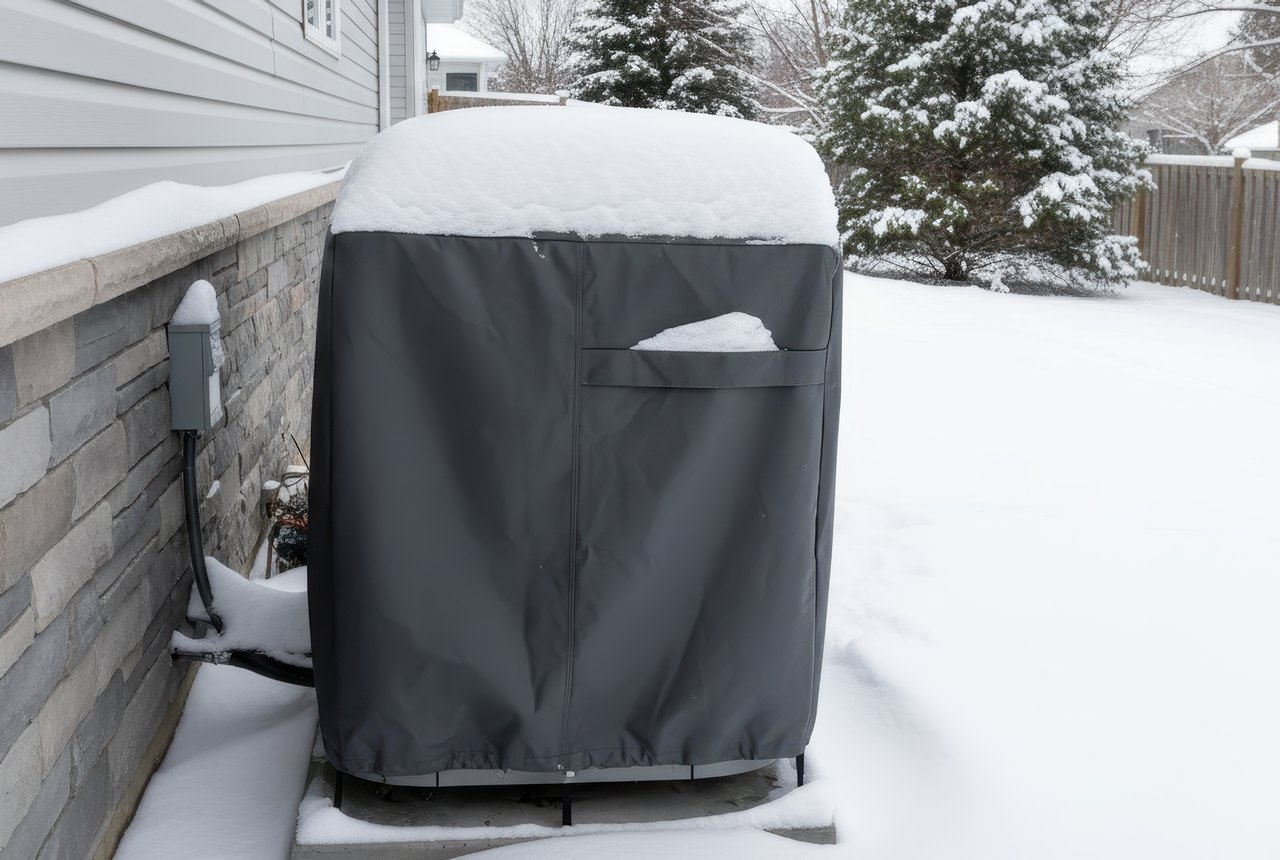
It’s usually best to cover your air conditioner in winter to protect it from snow and ice buildup in Calgary. However, ensure that the thermostat is not set to “cool” mode or the breaker is off before you cover it—and remember to remove the cover before the spring/summer cooling season starts. Starting the AC unit with a cover on can damage it.
Repair vs. Replace Your Air Conditioner?
The main questions to ask when deciding whether to repair or replace your air conditioner are:
How Long are Manufacturers’ Warranties for AC units in Alberta?
There is no single “standard” warranty period for AC units in Alberta. It varies with the manufacturer, model, and sometimes the installation company’s policies. Generally, you can expect the following:
Note that many manufacturer warranties only apply if routine annual maintenance is performed on the AC unit.

FAQs
Air Conditioning That Lasts the Distance…
All HVAC professionals at Alberta Mountain Air are SAIT-certified and can help you make the right heating and cooling decisions. So, if you’re in Calgary and considering your heating and cooling options, contact us online.