.svg)
Indoor air quality (IAQ) can affect not only your comfort but your family’s health, well-being, and safety. Poor air quality can cause:
-
Respiratory issues.
-
Allergy flare-ups.
-
Fatigue.
In cold climates like Calgary, homes are tightly sealed, making it essential that the air circulating through the HVAC system is free of irritants and impurities.
However, many pollutants are invisible or difficult to identify. Let’s look at the main contaminants, how to detect poor indoor air quality, how it could affect your home, and what you can do about it.
What are the Most Common Indoor Air Pollutants in Alberta?

The quality of air in your Calgary home can be affected by biological, chemical, and other contaminants, summarized in this table:
CATEGORY
POLLUTANT
SOURCES
HEALTH RISKS
Biological
Mold & Mildew
Damp areas, water leaks, poor ventilation.
Lung irritation, allergic reactions, respiratory issues.
Biological
Bacteria
Anywhere moisture is present.
Infections, respiratory illness.
Biological
Dust Mites
Bedding, upholstery, carpets.
Leading trigger for asthma and allergies.
Biological
Pollen
Enters via windows, doors, and clothing.
Seasonal allergies, respiratory irritation.
Chemical
VOCs
Paint, adhesives, flooring, furniture, cleaning products.
Eye/throat irritation, headaches, long-term organ damage.
Chemical
Radon
Seeps from soil and rock beneath the home.
According to Health Canada, long-term radon exposure is the second-leading cause of lung cancer after smoking and the leading cause of lung cancer among people who have never smoked.
Chemical
Carbon Monoxide
Furnaces, other gas appliances, fireplaces, and attached garages
Immediately dangerous at high levels; fatal in extreme cases.
Chemical
Pesticides & Household Chemicals
Sprays, improperly stored or mixed chemicals.
Respiratory irritation, toxic reactions (e.g., bleach + ammonia).
Particulate & Combustion
Asbestos
Older homes (pre-1980s), disturbed building materials.
Lung disease, mesothelioma, cancer.
Particulate & Combustion
Fine Dust Particles
Construction, HVAC systems, everyday activity.
Deep lung penetration, respiratory disease.
Particulate & Combustion
Smoke
Fireplaces, candles, cooking.
Fine particulate exposure, carbon monoxide poisoning.
MAKE THE RIGHT HEATING & COOLING DECISIONS…
For over two decades, Alberta Mountain Air has helped Calgarians solve heating and cooling problems and maintain ideal comfort levels.Contact us online_ for a quote._
Why You Might Be Making Your IAQ Worse
Poor indoor air quality can be made worse by certain conditions in your home, such as:
-
Poor ventilation: Without fresh air exchange, pollutants accumulate.
-
Occupant habits: Frequency of cleaning, types of products used, smoking indoors, how chemicals are stored, etc.
-
Recent renovations: New materials, adhesives, and paints release elevated VOC levels for weeks, months, or even longer.

You have less direct control over these factors that can also worsen indoor air quality:
-
High humidity: Above 50% relative humidity encourages mold, mildew, and dust mite growth.
-
Low humidity (more likely in Calgary homes): Below 30% dries out mucous membranes, making people more susceptible to airborne irritants.
-
Temperature fluctuations: This affects how chemicals off-gas from building materials and furniture.
-
Building age: Older homes are more likely to contain asbestos, lead paint, and outdated ventilation.
What are the Main Signs You Have an Air Quality Problem?
Staying vigilant is key to air quality. What you see, smell, and feel are the main signs that you have an indoor air quality problem that needs attention.
Let’s break these signs down a little more:
What You Can See
-
Water stains or discoloration on walls, ceilings, or floors.
-
Visible mold or mildew growth, especially in bathrooms, basements, or around windows.
-
Excessive dust accumulation, particularly around vents.
-
Condensation on windows or walls.
What You Can Smell
-
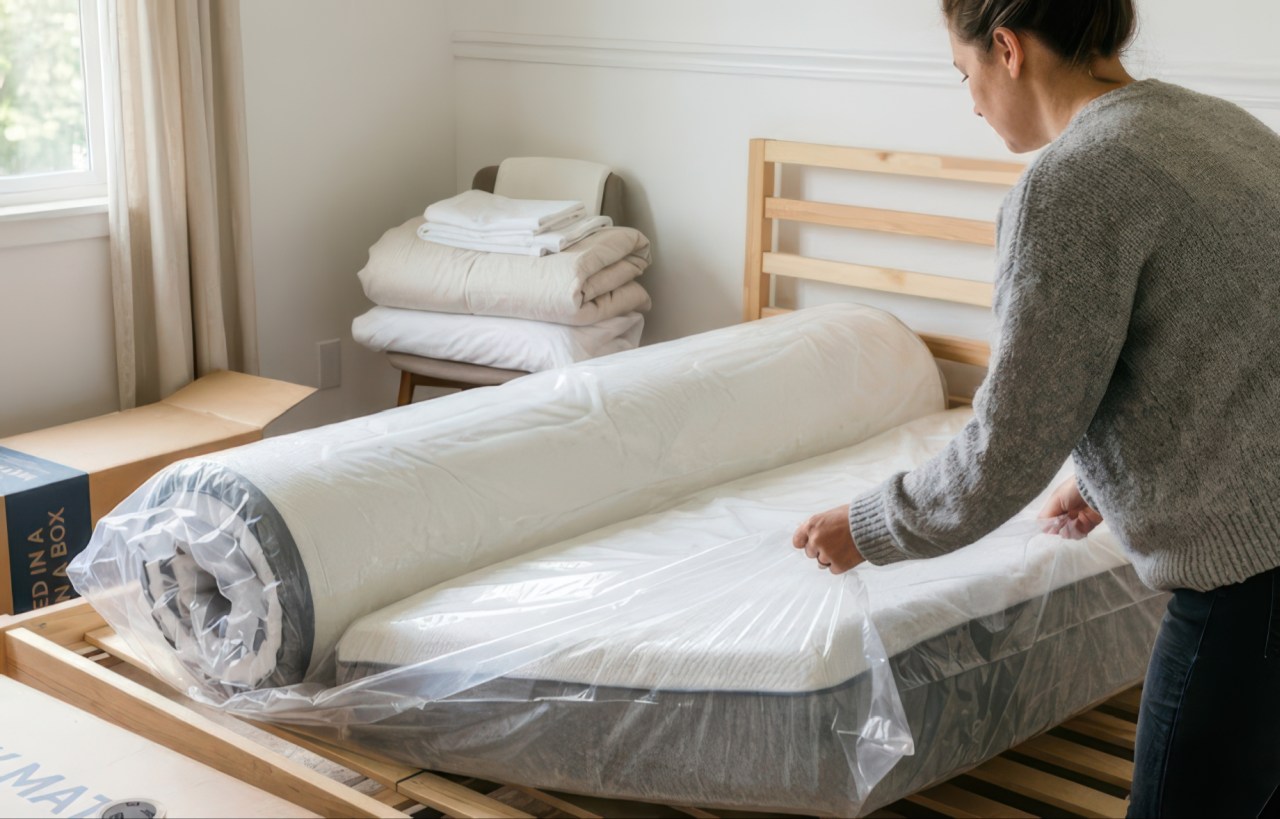
Musty or earthy odours often indicate mold or mildew.
-
Chemical or solvent smells suggest off-gassing from building materials, stored products, or new furniture.
-
Rotten egg smell possibly indicates a gas leak (due to natural gas additives that serve as warning agents).
What You Can Feel
-
Congestion, runny nose, or sneezing that improves when you leave the house.
-
Headaches, fatigue, or difficulty concentrating with no clear cause.
-
Itchy or watery eyes, skin irritation.
-
Worsening asthma or allergy symptoms indoors.
Note: some pollutants (like radon and CO) cause no immediate symptoms. Long-term exposure is the danger.
Indirect Signs
-
The home gets dusty unusually quickly.
-
Utility costs are rising without explanation, which can indicate blocked or restricted airflow.
-
Household members are getting sick frequently.
When Should You Get Your IAQ Tested?
You can check indoor air quality relatively easily with the help of a licensed HVAC technician from Alberta Mountain Air. We will test for:
-
Particulate matter (PM2.5 and PM10).
-
Volatile Organic Compounds (VOCs).
-
Carbon dioxide (CO₂) and carbon monoxide (CO).
-
Humidity and moisture.
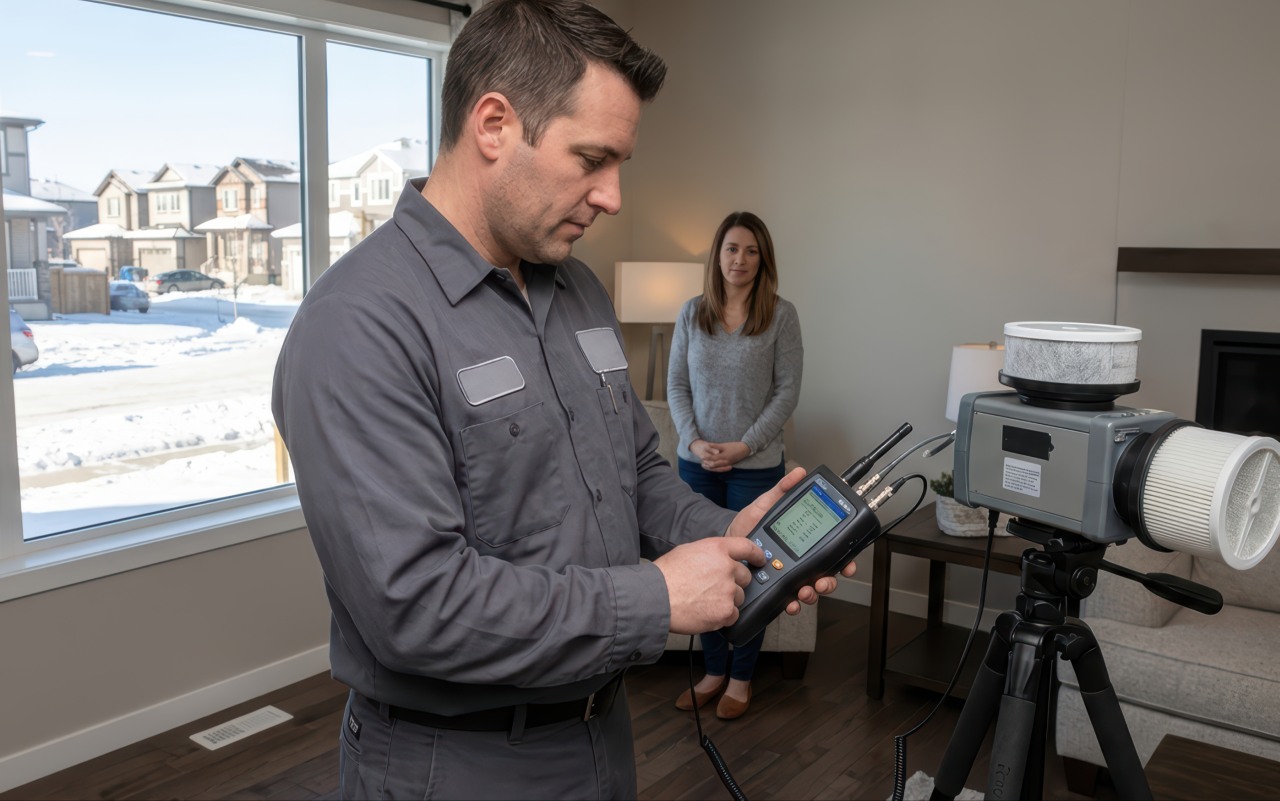
If you notice any of the above signs of poor indoor air quality, it’s likely time to book indoor air quality testing in Calgary. Also consider testing if you move into a new home:
-
Test immediately for radon, lead, and asbestos, which are present regardless of your habits.
-
Wait 1–2 months before testing for VOCs and dust mites, as levels depend on your furniture, habits, and cleaning products.
-
Consider a full panel test: lead, VOCs, radon, dust mites, pollen, mold, and carbon monoxide.
Mold and pollen levels vary significantly by season, often spiking in spring and summer. Consider testing in both spring and fall during your first year in a new home for a complete picture.
If you live in a home that is pre-1980 and has never been tested for lead or asbestos, it’s time to test. Other trigger points for booking IAQ testing include:
-
After renovations, repaints, or installation of new flooring or cabinetry.
-
After purchasing foam-filled or pressed wood furniture items.
-
If your municipality or neighbours have flagged elevated radon levels in your area.
-
If your family experiences unexplained health symptoms.
DIY Monitoring Vs. Professional Testing
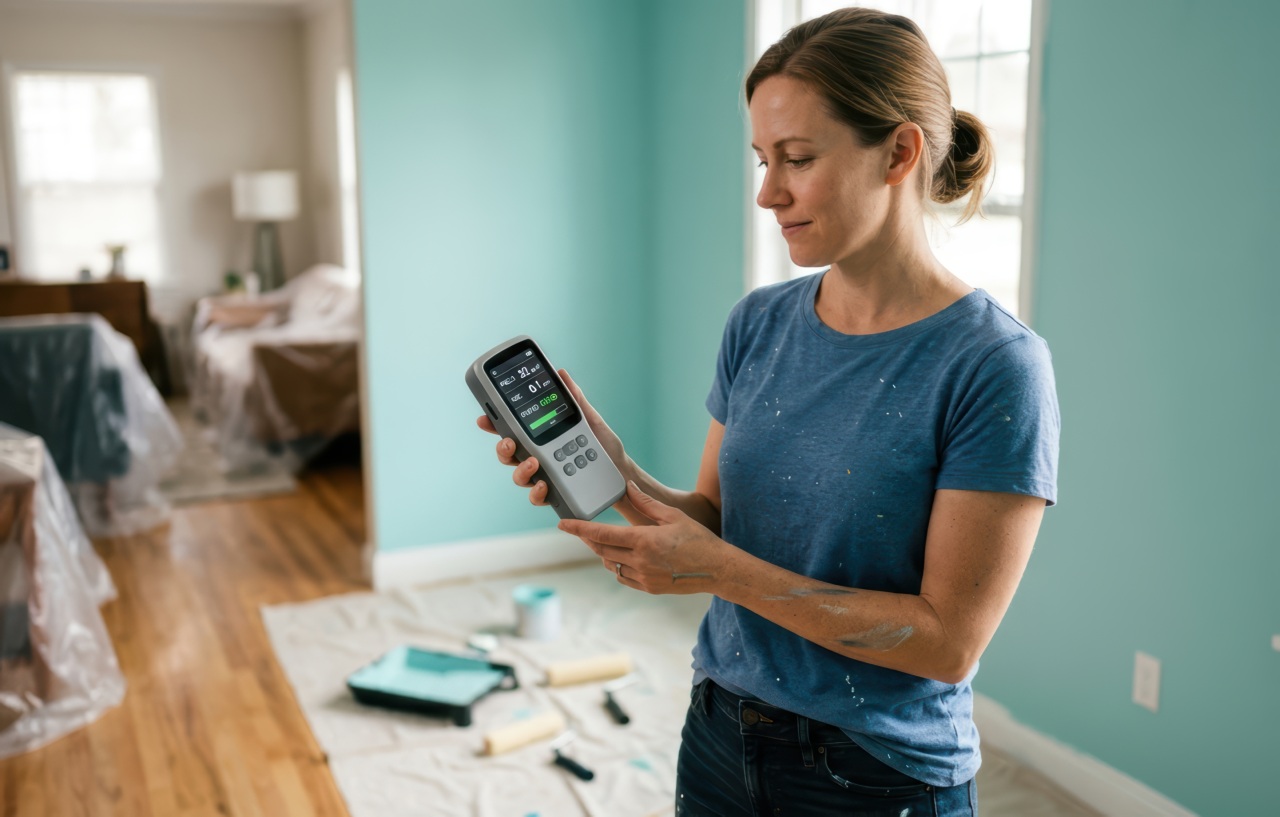
Air quality monitors installed in your home can help improve indoor air quality to some degree. They can usually track PM2.5 particles, CO2, humidity, temperature, and some VOCs in real time.
DIY monitors are also useful for identifying trends or changes, such as spikes after vacuuming or painting.
However, many devices cannot detect radon, lead, asbestos, mold spores, or specific chemical compounds. DIY monitors should not replace professional IAQ testing, but can be useful as early warning tools.
Benefits of Professional IAQ Testing:
Professional testing is recommended if you notice the signs outlined above, before buying a home, or after any significant renovation. The main benefits are:
-
Use of laboratory-grade equipment calibrated to regulatory standards.
-
Professionals trained to investigate root causes, not just collect samples.
-
Identifies non-obvious hazards, like improperly stored chemicals.
-
Results are contextualized against established safety thresholds and local conditions.
What Can You Do to Improve Indoor Air Quality?
Besides booking a professional IAQ test to assess the current picture, homeowners should consider the following steps for long-term indoor air health:
-
Ventilation
-
Ensure your HVAC system has adequate fresh air intake and is not just recirculating indoor air.
-
Use exhaust fans in kitchens and bathrooms to remove moisture and cooking byproducts.
-
Open windows when outdoor conditions allow, especially during and after painting or cleaning.
-
Consider a Heat Recovery Ventilator (HRV) or Energy Recovery Ventilator (ERV) for tightly sealed homes: these exchange stale indoor air for fresh outdoor air without losing heat.
-
Humidity control
-
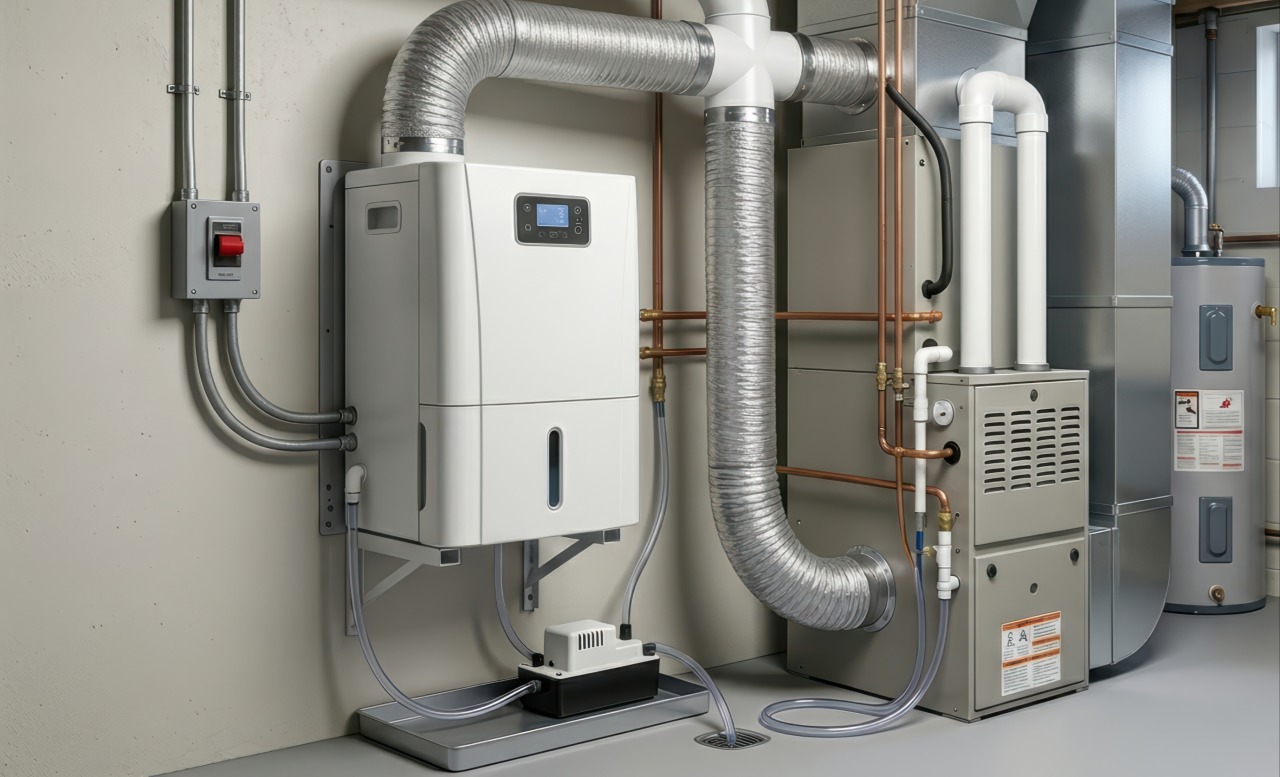
Maintain indoor humidity between 30–50%.
-
Use a dehumidifier in basements or other damp areas.
-
Fix water leaks and sources of moisture promptly.
-
Reducing chemical pollutants
-
Choose zero-VOC paints, adhesives, and flooring materials.
-
Switch to fragrance-free or naturally derived cleaning products.
-
Store chemicals (bleach, paint, pesticides) in a garage or shed.
-
Allow new furniture or renovated spaces to off-gas before regular use.
-
Replace air filters regularly (every 1–3 months, depending on usage and filter type).
-
duct cleaning calgary periodically to remove dust, mold, and debris.
-
Schedule at least annual HVAC servicing to ensure the system is circulating and filtering air effectively.
-
Upgrade to a higher-MERV furnace filter if allergies or respiratory issues are a concern (but consult with one of our HVAC technicians before you do this, as it could restrict airflow).
FAQs
Can Duct Cleaning Improve Indoor Air Quality?
Yes, professional duct cleaning can improve indoor air quality by removing dust, mold, and debris trapped in the ducts, vents, and registers. While it’s not usually necessary as often as general AC or furnace maintenance, duct cleaning may be required if your home has been exposed to renovation dust, wildfire smoke, pets, or if allergy sufferers live in your home.
How Do I Know If My HVAC System Is Impacting My Indoor Air Quality?
A good time to conduct a full IAQ test is when you have your HVAC inspected and serviced in winter, when the home is sealed. This will help you identify dust, dirt, or mold growth trapped in ducts and filters that could cause poor air quality throughout your home.
How Often Should I Have My IAQ Professionally Tested?
For most Calgary homes, a professional IAQ test every 2–3 years is reasonable. However, you should test sooner if you notice symptoms, complete a renovation, move into a new home, or if your home is older and has never been tested. Homes with vulnerable occupants, like young children, elderly residents, or anyone with respiratory conditions, may benefit from more frequent testing.
Take a Proactive Approach to IAQ
Most IAQ problems are fixable once identified but homeowners shouldn’t wait for the telltale signs. Proactive IAQ testing is easier and cheaper than fixing problems after they arise, especially if they lead to health issues.
Our team of technicians is SAIT-certified and has over two decades of experience helping Calgary homeowners make the right heating, cooling, and air quality decisions. If you’re considering your HVAC options, contact us online.