You can’t always see a window leak, but in Calgary’s climate, you are likely to feel it and see it on your bill.
Our extreme-30°C winter temperature plummets mean that even a tiny gap in the building “envelope” can expose you to freezing temperatures and create a major heat-loss highway in your home.
You can save money and reduce the strain on your furnace by understanding how leaky windows affect your home’s heating, the main signs to look out for, and how to fix the problem.
Let’s jump straight into it…
How Leaky Windows Affect Your Home’s Heating
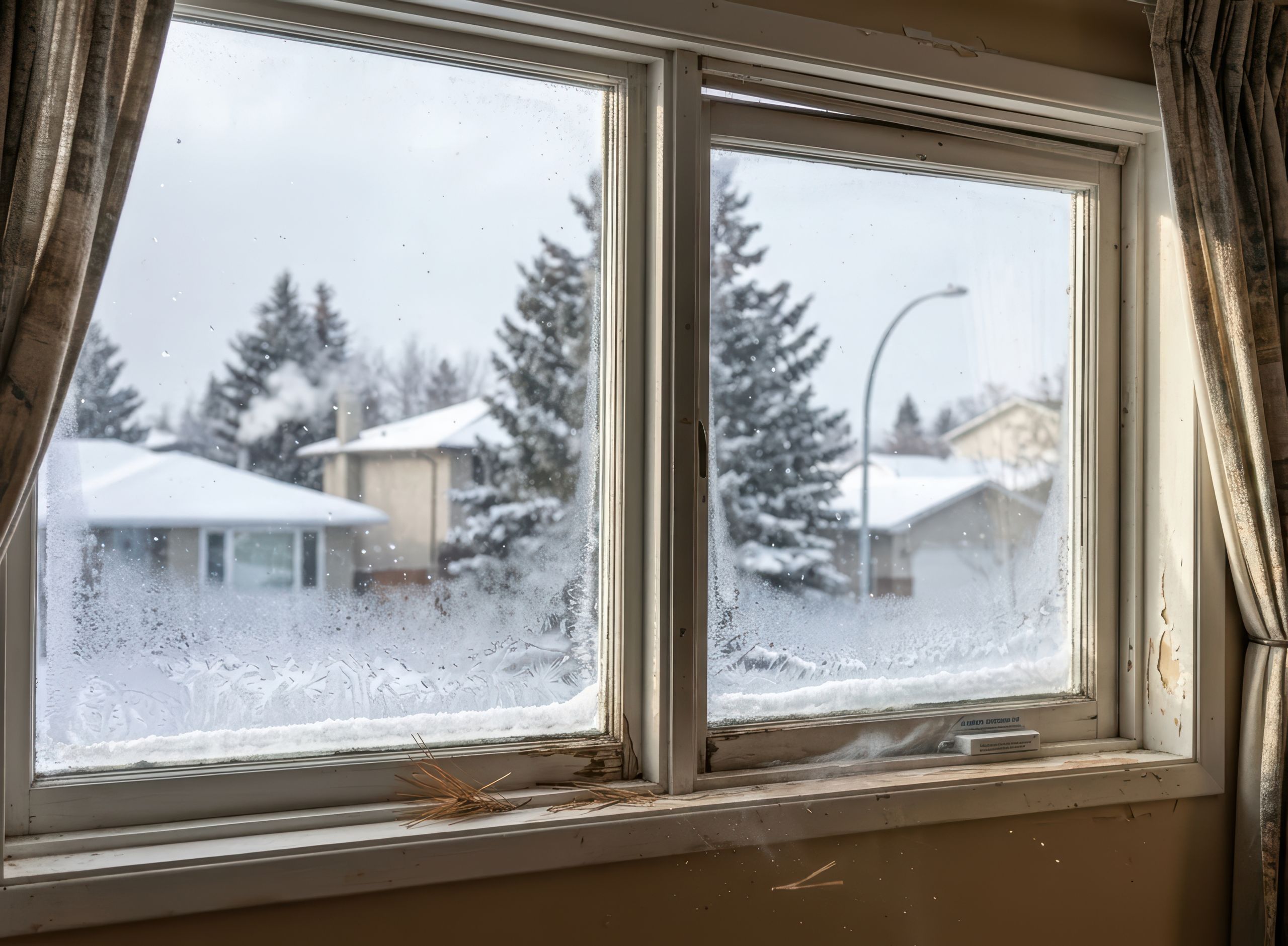
Leaky windows affect your home heating primarily by creating a draft effect with hot and cold spots, forcing your furnace to overwork, impacting humidity levels, raising energy bills, reducing the indoor air quality, and increasing window condensation and the threat of mold.
Let’s look at each of these effects a little more closely, so that we understand the problem and the main signs to look out for with leaky windows.
MAKE THE RIGHT HEATING & COOLING DECISIONS…
For over two decades, Alberta Mountain Air has helped Calgarians solve heating and cooling problems and maintain ideal comfort levels. Get in touch onlinefor a quote.
6 Ways Leaky Windows Affect Home Comfort
Your home’s windows are an essential physical barrier to prevent the outdoor chill from permeating the home during winter, especially double-pane windows.
That’s quite obvious, but in a typical home, windows can be responsible for up to 25% to 30% of total heat loss. In fact, according to Natural Resources Canada, your home’s ‘envelope’ (windows, doors, and skylights) is often the weakest link in your insulation strategy.
Even some newly built homes may have leaky windows if the construction materials used were substandard.
1. The “Draft Effect” and Indoor Comfort Zones
When indoor heat contacts the windows, it is cooled and pushed down naturally through convection. It may feel like a cold draft from a leaky window but some of this natural air movement is to be expected in a home.
If the airflow is more severe, homeowners often start looking for the source of the problem by checking:
It could, however, be leaky windows. Increased drafts are one of the most obvious effects of leaky windows, leading to uneven temperatures or “hot and cold spots”. One part of the house (or even an individual room) can feel like the Arctic while the other is toasty warm (a sure sign of a window leak).
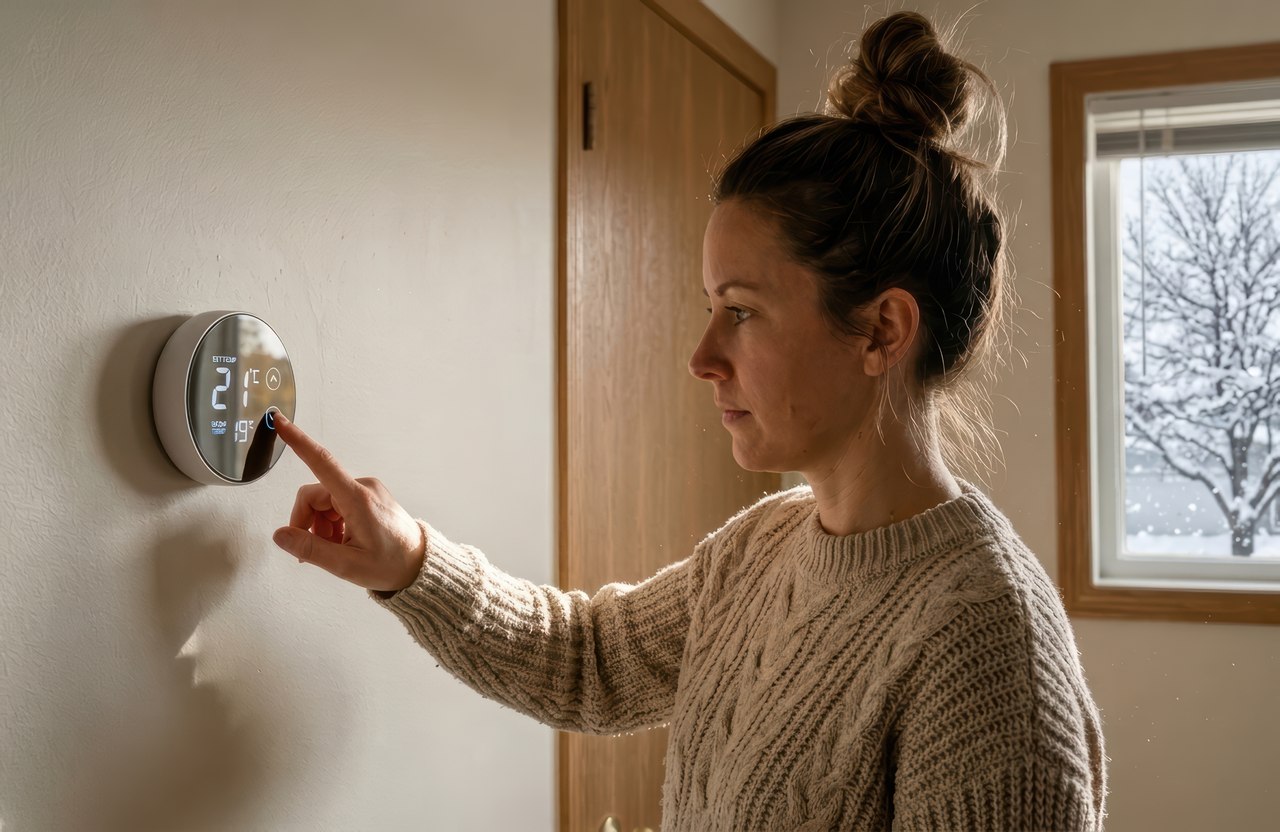
You may not be able to get comfortable, no matter how often you adjust the thermostat.
Warm air rises and cold air sinks. So, cold air entering from windows drops to the floor, leading to the notorious “cold feet” effect for Calgarians.
Does your home suffer from the “Stack Effect”?
If warm air escapes out of the top of the house (leaky attic/upper windows), it may suck cold air in through the bottom windows: a common phenomenon in Calgary’s multi-story suburban homes.
2. Forcing Your Furnace into Overdrive
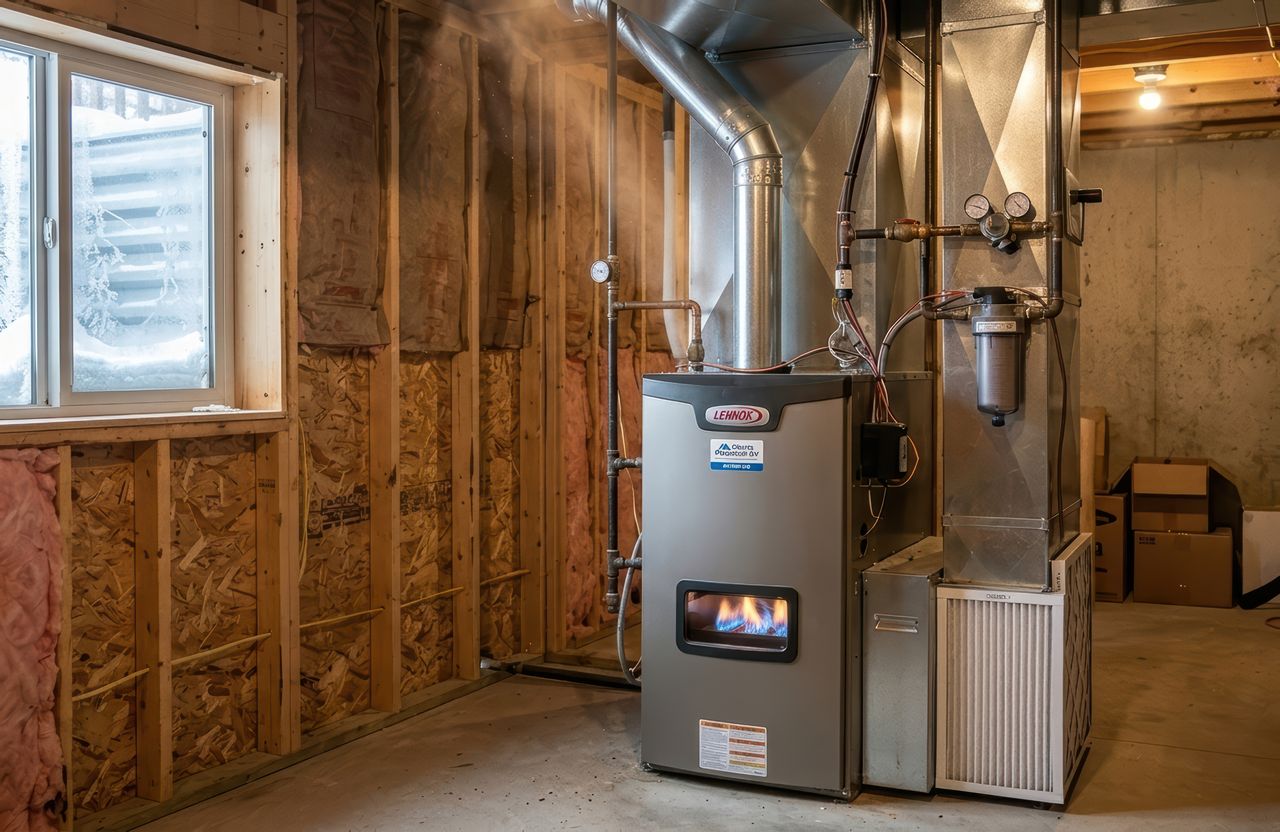
If heat is escaping from your home through the windows, the furnace will be forced to turn on and off more frequently, overworking it and leading to potential problems, such as:
3. Higher Heating (and Cooling) Bills
Utility costs in Alberta are high enough. An overworked furnace, due to leaky windows, could increase your energy bills further in winter.
In summer, leaky windows allow the hot, dry Calgary air into the home, forcing your air conditioner or heat pump to run longer cycles to maintain a cool temperature.
Few Calgary homeowners can afford to waste dollars on higher energy bills, especially if it’s simply to replace heat lost to the outdoors, so fixing a leaky window could be the most cost-effective solution.

4. An Overworked Home Humidifier
Humidity levels have a major impact on comfort levels for families. In Calgary, ultra-dry winter air is a major problem for allergy sufferers. Problems include:
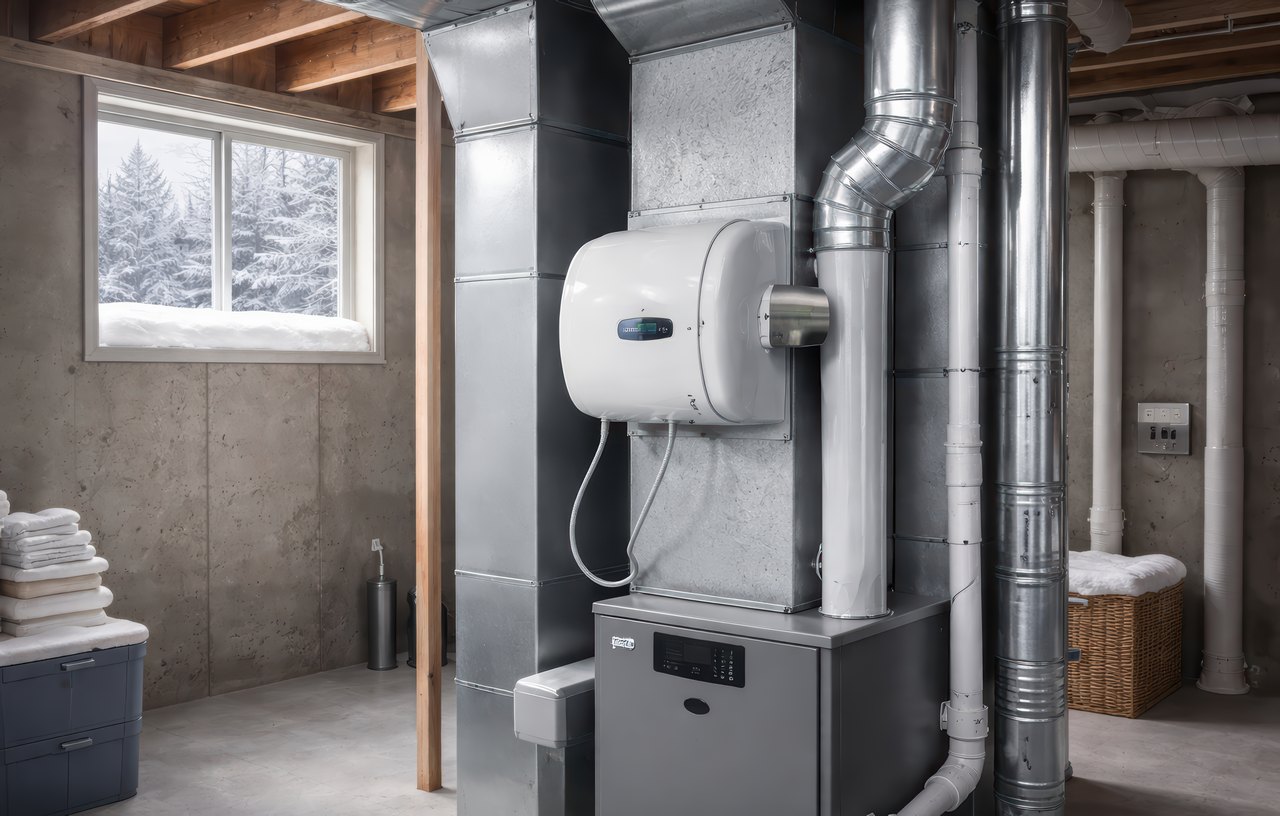
Most homeowners consider installing a humidifier to alleviate problems. If the windows are leaky, outside air creeps in and the humidifier will need to work harder for longer, more frequently.
5. Poorer Indoor Air Quality (IAQ)
Leaky windows don’t just let heat out; they also let dust, pollen, and summer wildfire smoke in.
This air has not passed through the HVAC filter, so pollutants directly enter your living space, leading to poorer indoor air quality and potentially triggering health problems, such as asthma.

Once the polluted air enters the HVAC system, it may be trapped by a high-end filter but it can still impact the home environment in several ways:
6. Increased Window Condensation and Ice Formation
If warm indoor air leaks out through a gap and hits the cold glass or frame of a window, condensation results.
In winter, condensation can build up on leaky windows, leading to an increased risk of mold growth on rotting wooden frames (in older homes), as well as on drywall and window treatments (curtains/blinds)
Ice may also build up on the inside of the frame during a deep freeze, permanently damaging the window seal and leading to more heat loss.
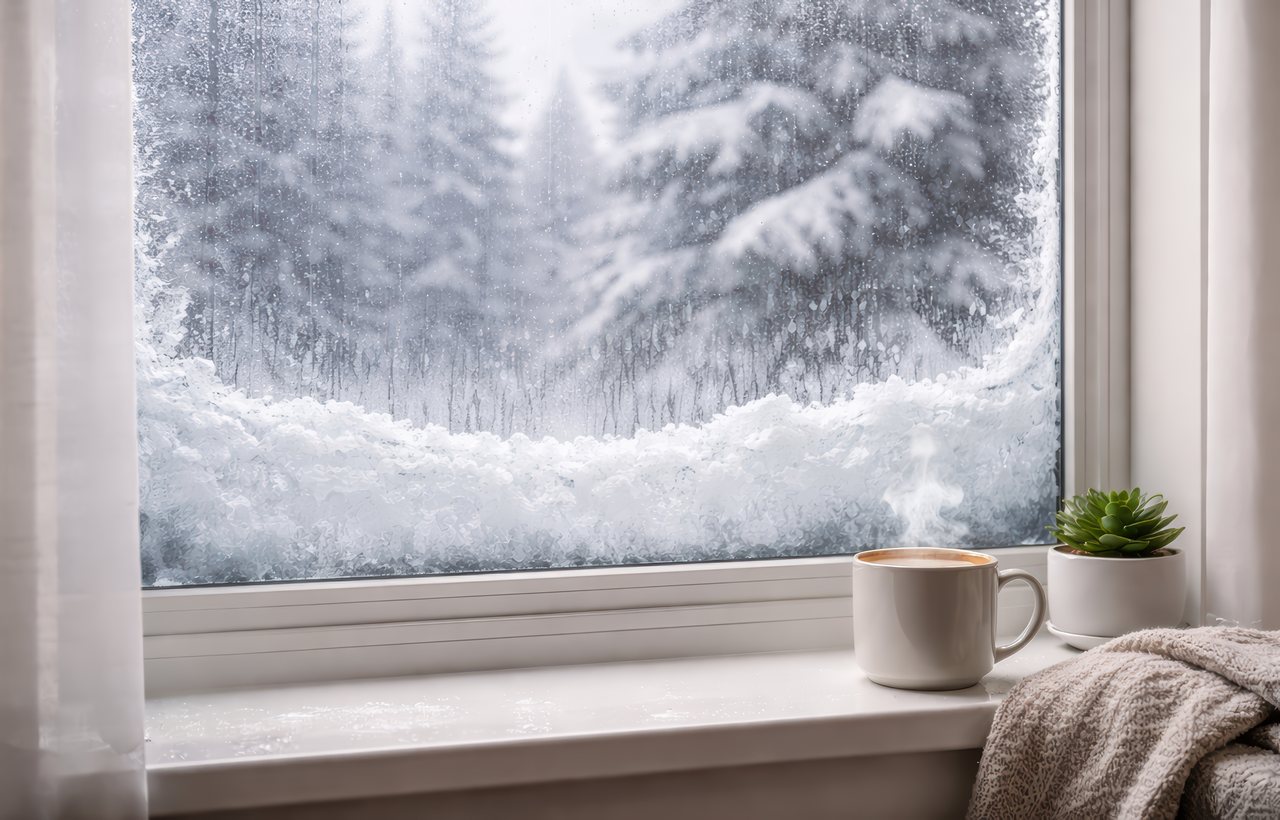
Did you know? Leaky windows don’t just let in cold air; they cause “evaporative cooling.” As dry Calgary air enters through gaps, it sucks the heat out of any moisture near your windows (and even your skin!), making the room feel several degrees colder than the reading on the thermostat.
How to Tell If Your Windows are Leaky: Quick Tests
Feeling drafts and cloudy windows from condensation buildup are two of the obvious tell-tale signs of leaky windows in your home.
If you feel a draft or see the curtains move when the heating is off, try to find the exact location of the leak so you know whether a specific area or the entire window seal is affected.
Other obvious signs are:
Other signs may not be so obvious. Here are a few quick tests to check for window leaks in your home:
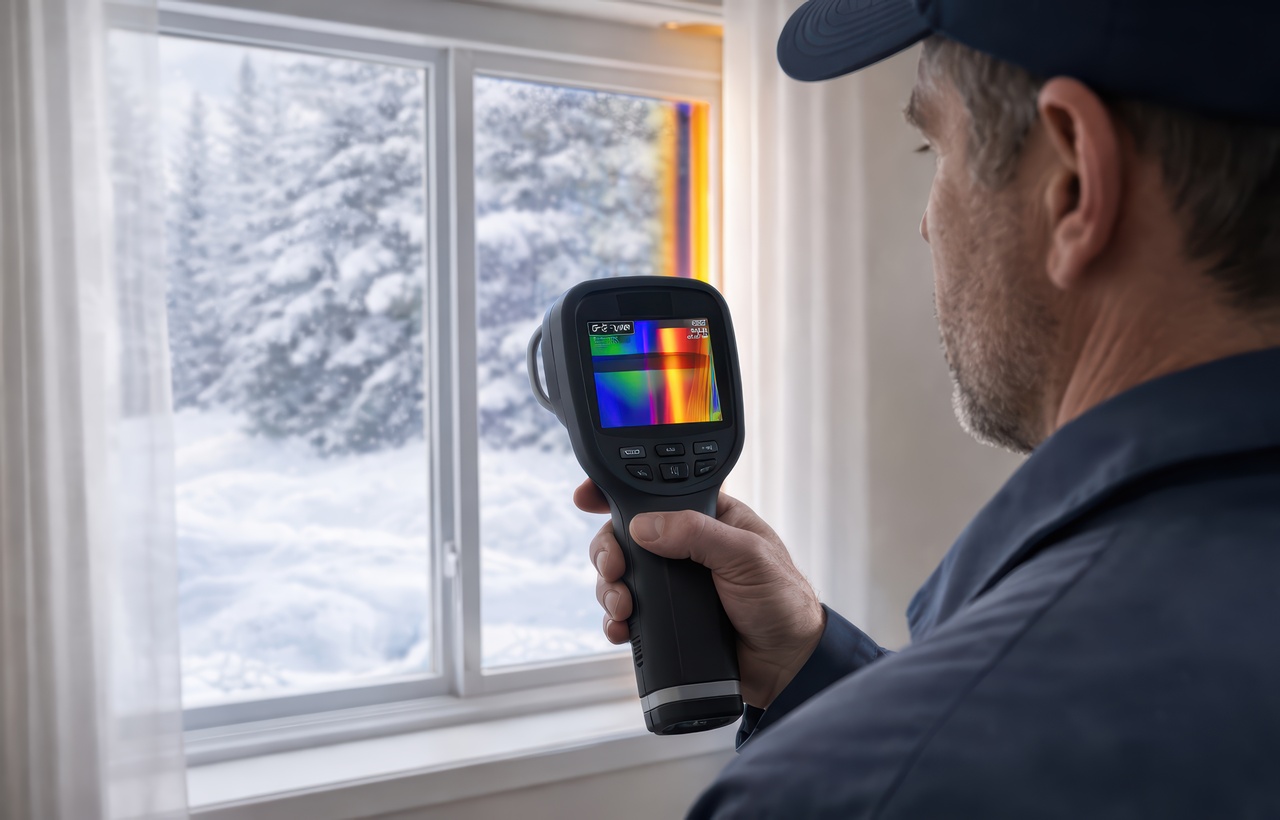
With thermal imaging, our HVAC pros can identify if a “cold room” is an HVAC balancing issue or a window leak.
How to Fix Leaky Windows
The standard fix for most window leaks is caulking or weatherstripping the window. For serious problems, you may need to consider more major repairs or replacement.
Think of fixing leaky windows as an investment in your HVAC system, which is a major cost in Calgary, and which most homeowners want to protect.
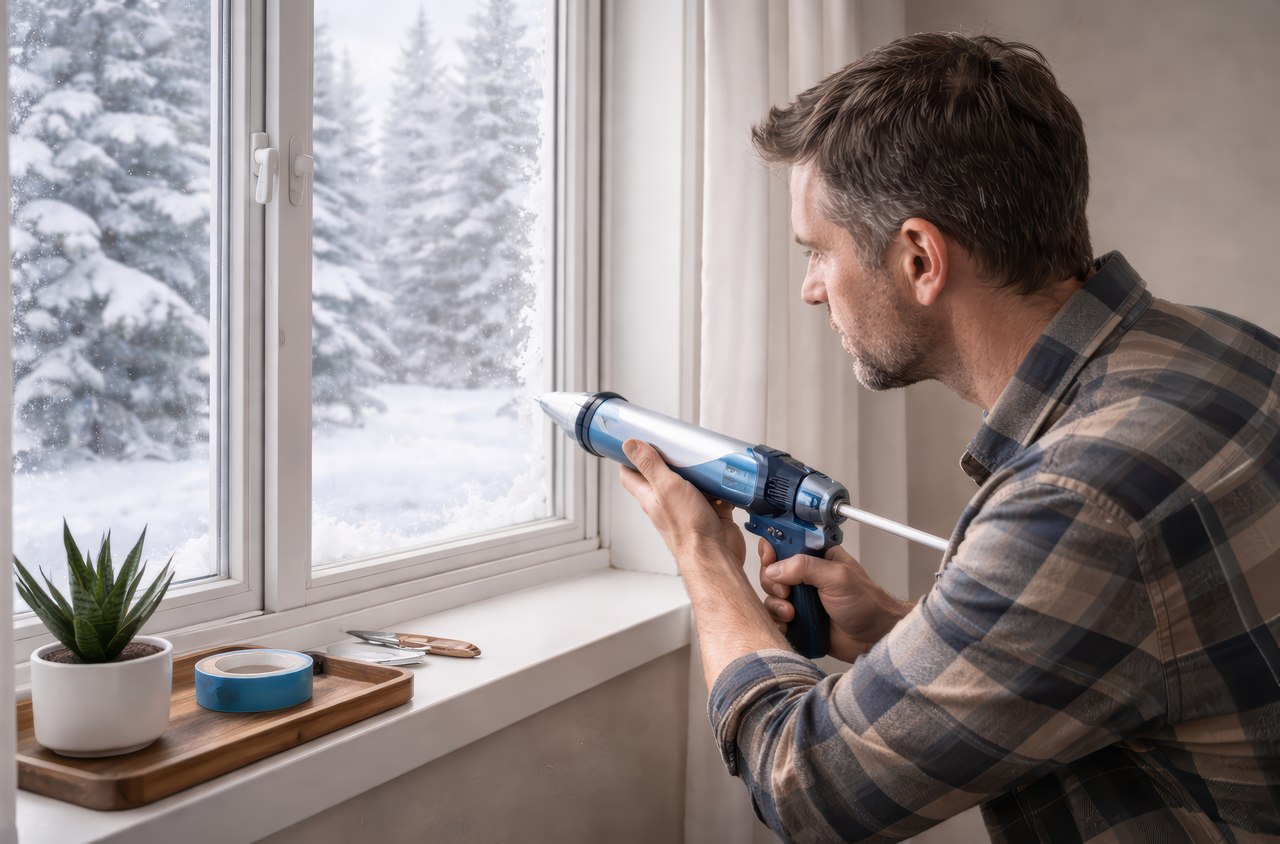
Depending on your location, you might benefit from an additional bonus, too. By re-sealing your home, you’ll not only keep the winter chill and dry air out. Homeowners near busy roads like the Crowchild Trail or Deerfoot can look forward to quieter days and nights indoors!
Consistent Heating and Year-Round HVAC Performance
Windows and HVAC should work together as a team, helping the home to find the right temperature consistently.
If the windows leak, the heating and cooling system will be affected.
The team of SAIT-certified HVAC professionals at Alberta Mountain Air has been helping Calgary homeowners make the right heating, cooling, and indoor air quality decisions for over two decades.
So, if you need help with a gas furnace, heat pump, air conditioner, tankless water heater, or thermostat, contact us online.